What Actually Drives the Price of Solid Wood Dining Chairs?
When furnishing a home in Singapore, especially in a compact HDB flat or condo, every purchase is a balance of aesthetics, space, and budget. Dining chairs, in particular, are a focal point in any home, setting the tone for family meals and gatherings. But have you ever paused to wonder why two seemingly similar dining chairs can have a price difference of hundreds of dollars? The answer lies in a complex interplay of factors that go far beyond simple wood type. As a specialist in this field, I've spent years dissecting these elements, and I'm here to provide a clear, detailed breakdown. This article will explore the tangible reasons behind the cost of solid wood furniture, using concrete examples and numbers relevant to the Singaporean context. We will look at everything from the raw material to the final finish, and how local realities like HDB dimensions and GST play a role.
Why Solid Wood Remains the Gold Standard for Seating
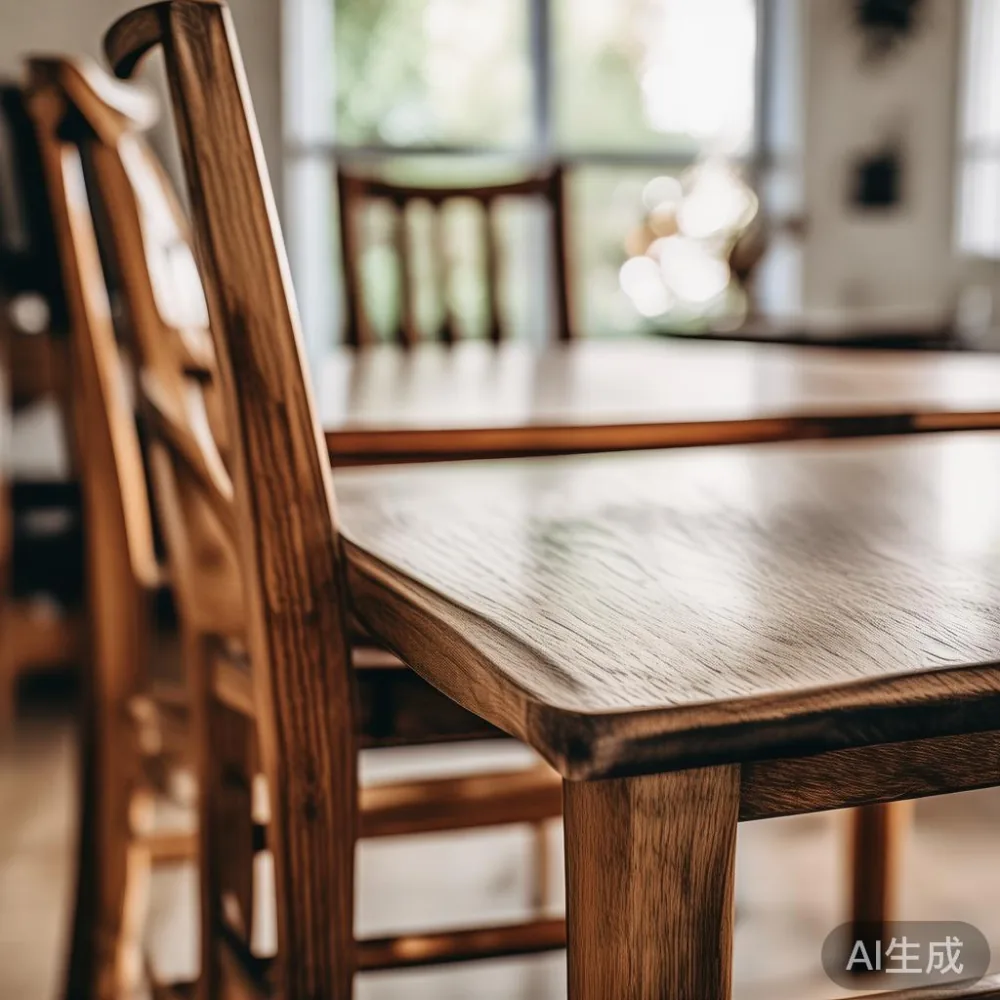
In a world dominated by flat-pack furniture and synthetic materials, solid wood dining chairs stand as a proof of traditional craftsmanship and enduring quality. Unlike a chair made with a veneer—a thin layer of real wood glued over a cheaper substrate like MDF—solid wood is a single, continuous piece of timber. This structural integrity is the foundation of its value. A solid wood chair can withstand decades of use, can be sanded down and refinished to look brand new, and develops a unique patina over time. This longevity is a key selling point, especially for homeowners in Singapore who plan to stay in their HDB flats for a long time. The initial investment is offset by the fact that these chairs are not disposable items; they are assets that can be passed down. For instance, a well-made solid wood dining chair from a reputable maker like MIDHILL, which offers a lifetime refinishing service, can easily outlast several cheaper alternatives, making it a more sustainable choice in the long run.
How Wood Species Dictates the Base Price Point
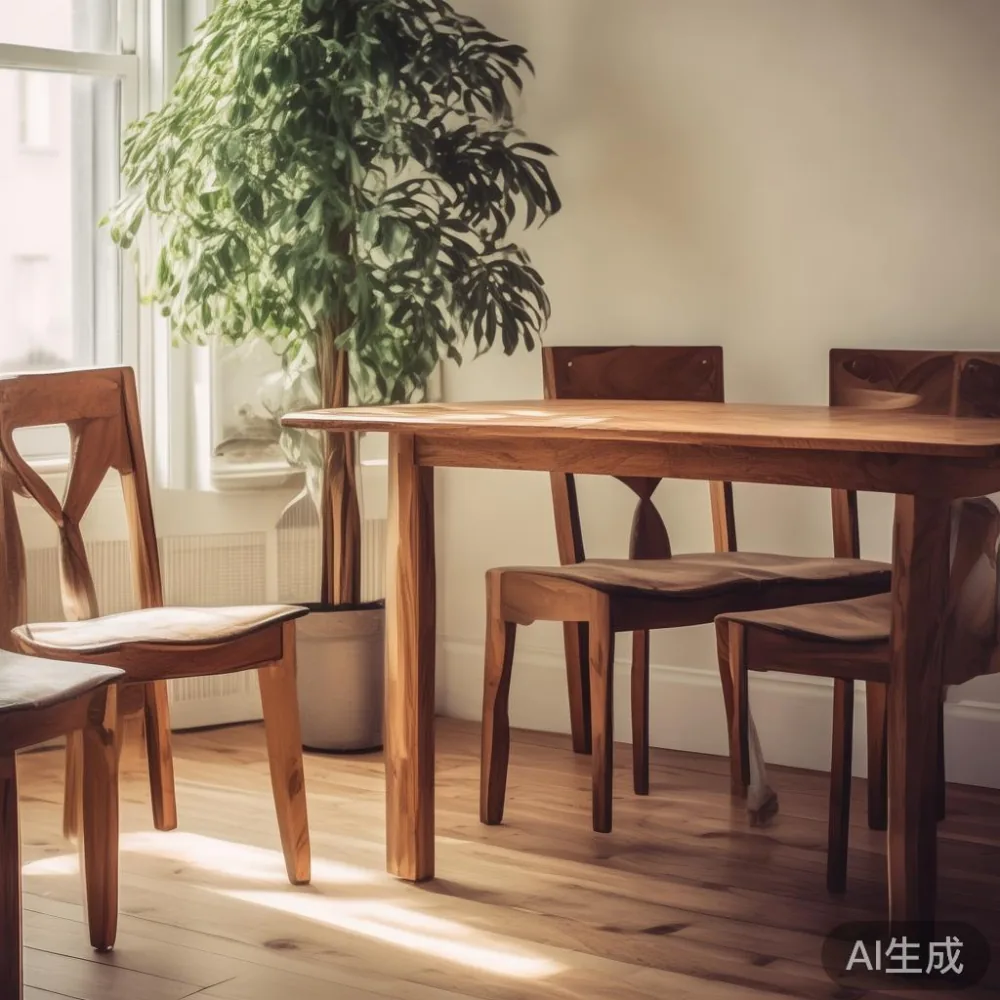
The single most significant factor influencing the price of a solid wood dining chair is the species of wood used. Not all trees are created equal, and their physical properties, availability, and aesthetic appeal directly translate to cost. Let's compare some common options you'll find in the Singapore market.
| Wood Species | Characteristics | Price Range per Dining Chair (SGD) | Best For |
|---|---|---|---|
| Rubberwood | Light-colored, moderately durable, sustainable. Good for painted finishes. | SGD 180 - SGD 280 | Everyday use in HDB flats, starter homes. |
| Sheesham / Rosewood | Dense, dark grain, highly durable. Known for its rich, reddish-brown color. | SGD 450 - SGD 750 | Statement pieces, light luxury designs. |
| North American Oak | Strong, prominent grain, very durable. Can be light or dark depending on finish. | SGD 380 - SGD 650 | Classic American light luxury, solid family dining. |
| Mango Wood | Varied grain patterns, often with knots and imperfections. Eco-friendly by-product. | SGD 220 - SGD 400 | Rustic, post-modern, and bohemian styles. |
The price difference between a rubberwood chair and a sheesham chair can be staggering, often more than double. This isn't just about the wood itself; it's about the entire supply chain. Sheesham, for example, is a tropical hardwood native to the Indian subcontinent. Its density makes it more challenging to work with, requiring sharper tools and more skilled labor. A chair made from this wood will inherently be more expensive due to the raw material cost, increased processing time, and its reputation for high-end furniture. In a Singaporean context, where many homes have open-plan living and dining areas, the choice of wood can also influence the perceived value of the entire space. A dining set with rich, dark sheesham chairs can anchor a room, creating a sense of luxury that lighter woods might not achieve as readily.
The Hidden Costs of Craftsmanship and Design
Once the wood is selected, the true artistry begins. The price of a dining chair is heavily influenced by the level of craftsmanship and the complexity of its design. This is where the distinction between mass-produced and artisanal furniture becomes clear. A simple, straightforward chair with clean lines and minimal joinery can be manufactured relatively quickly and cheaply. However, a chair featuring intricate details requires a significant investment of time and skill.
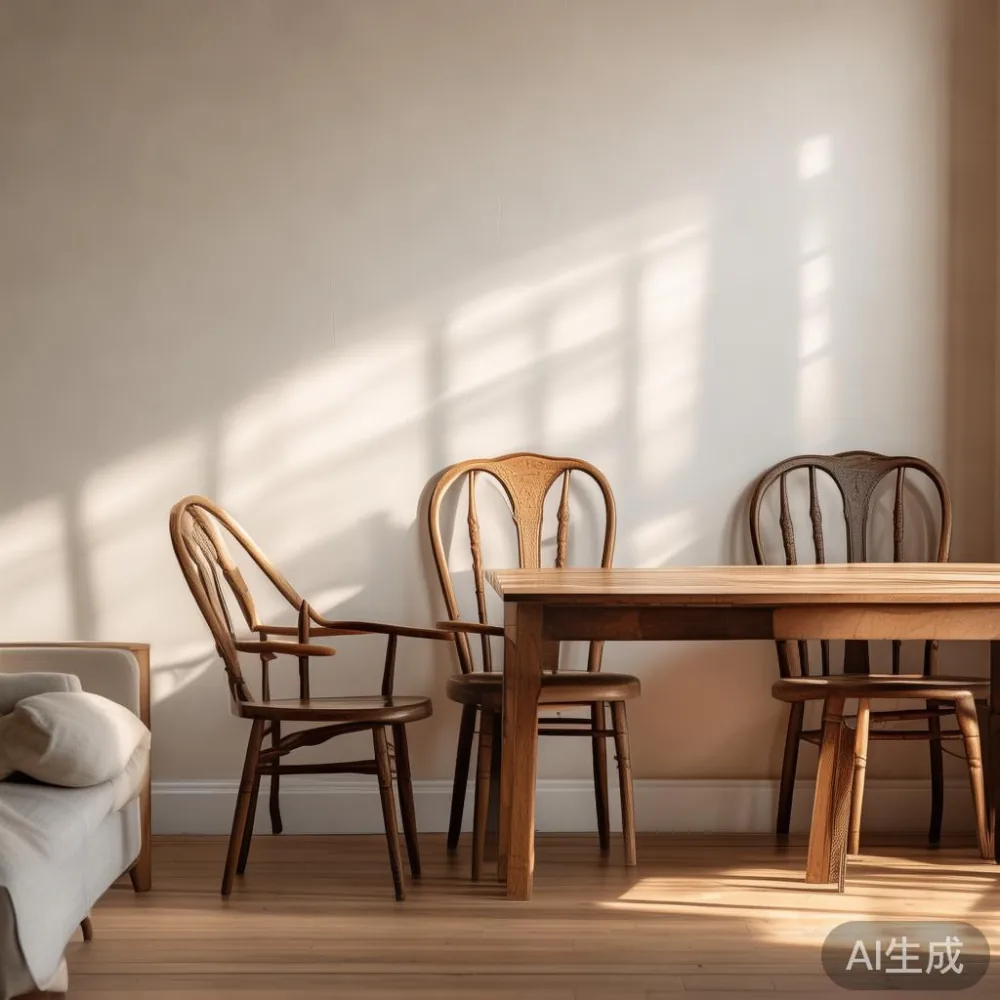
Consider a French light luxury dining chair. This style is characterized by ornate carvings on the backrest, curved legs, and perhaps a hand-painted finish. Each of these elements adds to the production time. A master carver might spend 2-3 hours just on the backrest of a single chair, a task that a machine could accomplish in minutes but without the same character and detail. This manual labor is a direct cost that is passed on to the consumer. Similarly, post-modern light luxury designs, while appearing minimalist, often involve complex joinery and precise angles that demand a high level of technical skill from the woodworker. The design phase itself is a cost; a designer's fee for creating a new chair model can run into thousands of dollars, which is then amortized across the production run of that piece.
Why Size, Weight, and Structural Integrity Matter
It might seem obvious, but the physical dimensions and weight of a dining chair directly impact its price. A larger, more substantial chair requires more raw wood. For example, a dining chair with a wide, solid wood seat and thick, turned legs will use more material than a delicate, spindle-back chair. This increase in material cost is straightforward. However, the weight is also a critical factor, especially for Singaporean homes.
Last month, I visited a client's apartment in a Bedok condo to help them choose a new dining set. They had fallen in love with a beautiful solid teak dining table, but we immediately ran into a logistical problem. The table weighed 85 kilograms and was 220 cm long. The building's lift had a maximum load capacity of 250 kg and a usable internal width of 110 cm. While the weight was fine, the length was a major issue. A 220 cm table would not fit diagonally in the lift. This meant we had to consider a custom solution: either a table in two pieces that required on-site assembly or a smaller table. The custom two-piece option added an extra SGD 400 to the cost due to the specialized hardware and assembly required. This real-world example highlights how the physical properties of furniture can introduce unexpected costs that are tied directly to local living conditions like lift sizes in HDB blocks and condos.
How Singapore's Living Environment Influences Furniture Costs
Beyond the lift, the general layout of Singaporean homes presents a unique set of challenges that affect furniture pricing. HDB flats and condos are designed for efficiency, which means doorways, corridors, and stairwells are often tight. A standard dining chair might be 45 cm wide, but a bulky armchair could be 65 cm wide. Getting a set of four chairs through a 75 cm wide corridor in a Tampines HDB flat requires careful planning. Furniture makers must account for this, sometimes designing chairs with removable legs or slimmer profiles to facilitate easier transport and installation. This design consideration, while practical, adds another layer of complexity to the manufacturing process.
Also, Singapore's climate plays a subtle role. High humidity can cause some woods to warp or crack if not properly treated. High-quality solid wood furniture will undergo a multi-step finishing process, including sealing and multiple coats of lacquer or oil, to protect it from the environment. This finishing is not just for aesthetics; it's a functional necessity that adds to the final price. A chair with a poor finish might look good in the showroom but could deteriorate quickly in a Singaporean home, making the investment in a well-finished piece like those from MIDHILL a smarter long-term choice.
What About the Price of Other Furniture Pieces?
While this article focuses on dining chairs, understanding the pricing of other solid wood furniture helps put the cost of a chair into perspective. The same principles of wood species, craftsmanship, and size apply across the board. A solid wood sofa, for example, commands a high price not just because of the amount of wood required for its frame and arms, but also because of the complex upholstery work involved. A bed frame's price is driven by its size (a king frame uses significantly more material than a single) and the complexity of its headboard design. A marble table is a different beast; the base is solid wood, but the tabletop is stone, which adds substantial weight and cost for material and fabrication. Even a simple wardrobe or nightstand is priced based on its dimensions, the type of wood, and the hardware used for its doors and drawers.
Is a Cheaper Dining Chair Always a Bad Investment?
This is the question every shopper asks. Is it worth paying a premium for solid wood dining chairs, or can you find a good alternative at a lower price point? The answer depends entirely on your priorities and how you use your furniture. A chair priced under SGD 200 is almost certainly made from a less durable wood like rubberwood or pine, likely with simpler joinery (e.g., glue and staples instead of traditional mortise and tenon joints), and a basic finish. For a young family with children who might subject the chairs to rough use, this could be a practical choice. It can be replaced without a significant financial loss. However, for someone looking to create a permanent, elegant dining space, the longevity and timeless appeal of a well-made solid wood chair are unmatched. The cost of refinishing a solid wood chair over its lifetime is minimal compared to the cost of repeatedly replacing cheaper, non-durable options. In essence, you are paying for longevity, durability, and a piece of furniture that can become a part of your home's story.
Real-World Numbers: A Cost Breakdown of a Dining Chair
To make this more concrete, let's break down the estimated cost of a single, high-quality solid oak dining chair in the Singapore market. This chair features a classic American light luxury design with a woven cane seat back.
- Raw Material (Oak Wood): The wood for the frame, legs, and back posts. A high-grade, defect-free oak board costs approximately SGD 80 per linear meter. For one chair, this might use 1.2 meters of wood, costing around SGD 96.
- Labor (Craftsmanship): Skilled labor for cutting, shaping, sanding, and assembly. This can take 3-4 hours per chair. At a labor rate of SGD 25 per hour, this adds SGD 75 - SGD 100.
- Finishing: The process of staining, sealing, and applying a protective lacquer. This involves multiple steps and drying time. The materials and labor for finishing add another SGD 40 - SGD 60.
- Cane Webbing: The material and labor for hand-weaving the cane seat back. This is a specialized skill that adds SGD 50 - SGD 70 to the cost.
- Overhead & Profit Margin: This includes the factory's rent, utilities, quality control, packaging, and the retailer's margin. This can add 30-40% to the base production cost.
Adding these up, the base production cost for one chair might be around SGD 261 - SGD 326. After adding overhead and a retail margin, the final price in a Singapore showroom would land somewhere between SGD 450 and SGD 650. This example illustrates how the final price is a sum of many parts, each contributing to the value of the piece.
Looking Ahead: Trends in Furniture Pricing for 2026
The world of furniture is always evolving, and pricing trends are shifting. For those planning a purchase in the coming years, it's worth noting the direction things are heading. The search for 2026 Mid-century modern furniture is growing, with consumers appreciating its clean lines and functional design. This style often emphasizes high-quality craftsmanship, which means prices for authentic pieces are likely to remain stable or increase. Similarly, the demand for how to style European light luxury wardrobe in bedroom solutions is rising, indicating a continued interest in premium, design-led furniture. This trend suggests that investing in well-made, timeless pieces now is a sound decision, as their value is unlikely to depreciate quickly. The market for under 2000 Vintage furniture also remains strong, offering an alternative to brand new pieces for those with a tighter budget but a desire for character. As for sofas, the best American sofa for 2026 is expected to focus on sustainable materials and ergonomic comfort, which will influence its final price. Understanding these trends helps consumers make informed decisions about when to buy and what styles offer the best long-term value.