How to Check a Sofa You Cannot Sit On: A Singapore Homebuyer’s Guide
Some sofas look perfect in a showroom but become impractical the moment they reach a Singapore home. A deep seat may be lovely for stretching out, yet awkward for an older relative standing from a low cushion. A wide arm may look substantial in a catalogue, but it can reduce usable seating and block a walkway. A pale fabric may suit a showroom photograph beautifully, yet show dust, spills, and pet hair too easily in a busy HDB flat.

Buying a sofa without sitting on it requires a disciplined inspection. You need to test the frame, measure every access route, understand the upholstery, and compare the dimensions with the actual room. For Singapore residents, the dimensions of lift lobbies, common corridors, and apartment doors matter as much as the sofa itself. A piece that looks refined online may not enter a lift or turn a corner near Bedok, Tampines, or Punggol.
This guide explains how to assess a sofa you cannot physically sit on, whether you are viewing it at home, reading specifications, or arranging delivery. Keep a tape measure, your building’s access information, and a simple floor plan nearby. Record prices in SGD, including the 9% GST shown on the final invoice.
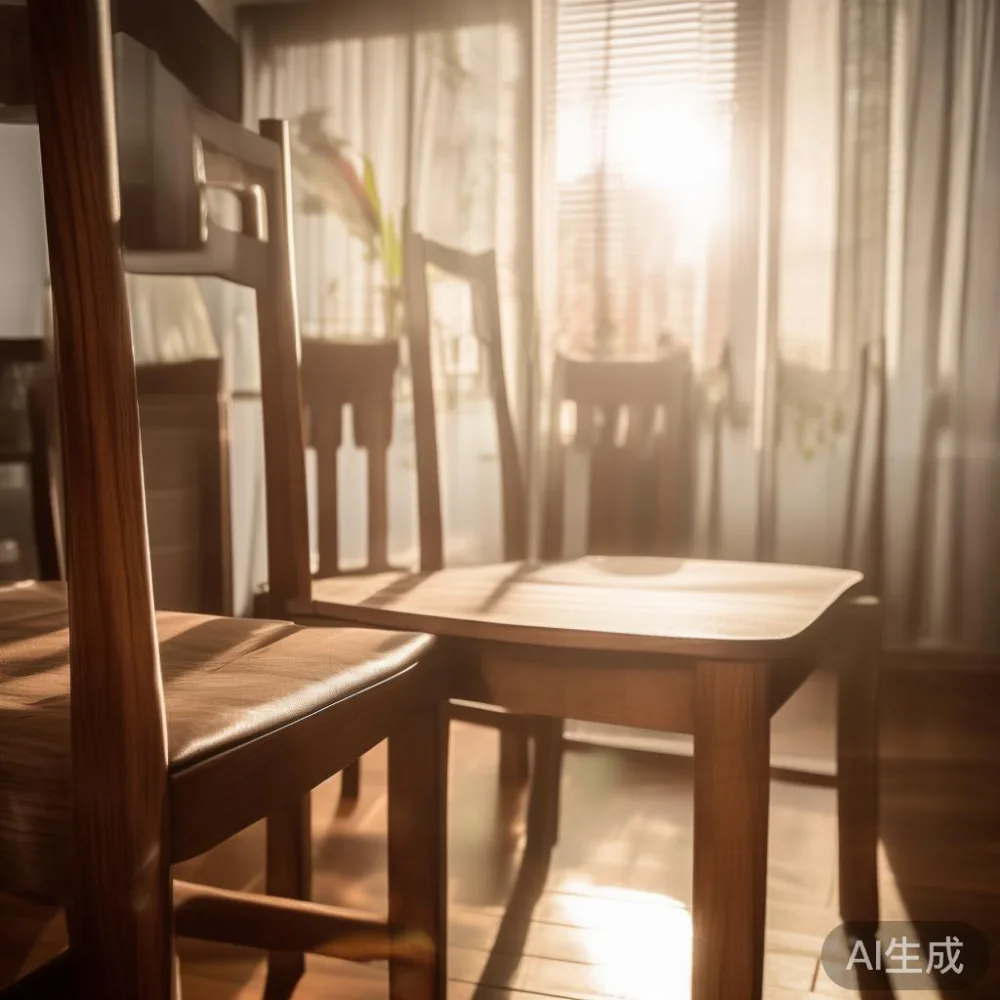
How do I check a sofa’s quality when I cannot sit on it?
Start with the questions a showroom demonstration cannot answer. How firm is the seat, how does the back support the body, and does the frame shift when touched? If you cannot sit on the sofa, ask to press every cushion, lean on the arms, lift one loose cushion, and inspect the underside. A seller should allow this; refusing sensible checks is a warning sign.
For a solid wood sofa, look for kiln-dried hardwood such as teak, oak, or ash in the exposed frame. Check that joints are joined with screws, dowels, or corner blocks rather than relying on staples alone. The frame should feel rigid when pressed from the side and front. A central support rail is useful on a sofa wider than 180 cm, while a sofa over 220 cm may need additional supports to prevent sagging.
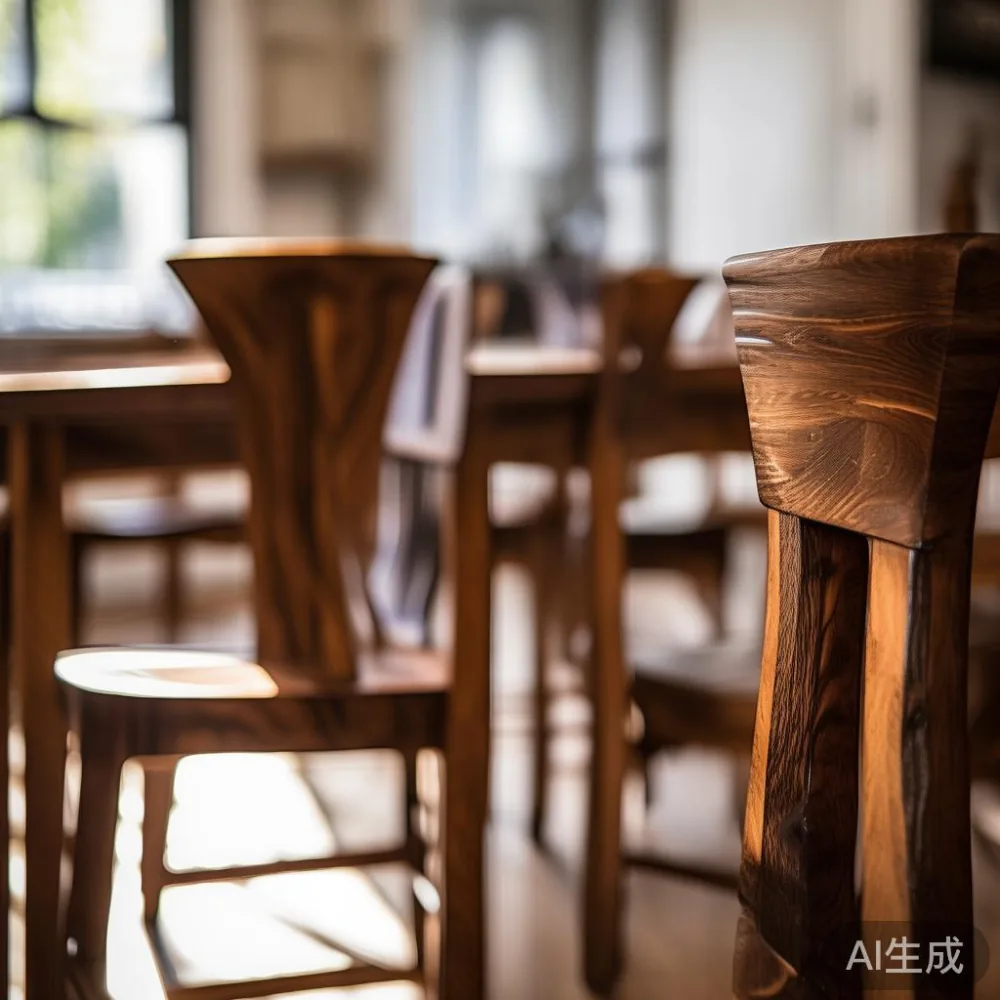
Press the seat for at least 10 seconds and release it. It should recover without a permanent dent. High-density foam around 35–40 kg/m³ can provide a firmer feel, while softer foam below 30 kg/m³ may suit lounging but can collapse sooner. Down cushions can feel luxurious initially, but their fill should be contained in a separate inner lining. Fabric or webbing supports should sit at regular intervals, normally no more than 10–12 cm apart.
Inspect visible screws and joints under the sofa. They should sit below the surface, not scratch the floor. The frame should stand level on its feet, with no rocking of more than about 5 mm. Look under the dust cover and check for moisture marks, insect damage, splits, or repair patches. These details matter more than an embroidered brand label.
Ask for the material composition in writing. “Solid wood” describes the frame, not the entire sofa. Leather, microfibre, and woven textile are different in feel and maintenance. If a family includes children or pets, a tightly woven fabric with a treated surface may be easier to maintain than delicate boucle or full-grain leather.
What dimensions should I measure before ordering a sofa?
Measure the wall space, the sofa’s full width and depth, and the route from the lift to the intended position. A sofa’s listed width may exclude projecting arms or legs, so request a dimensioned drawing. Allow at least 90 cm of clear circulation in a main walkway, 60 cm in a secondary route, and 30–45 cm between the sofa and a coffee table for comfortable reach. In a compact HDB living room, a sofa around 180–200 cm wide can work, while a model above 240 cm may overwhelm the space.
Measure seat height as well. A height of 40–45 cm is often manageable for adults, but taller users may prefer 43–47 cm. The back should support the lumbar area; a back height around 75–85 cm gives useful support without making the piece look oversized. Seat depth between 55–60 cm is balanced for upright sitting, while 62–70 cm encourages reclining. If the sofa will mainly seat older adults, avoid an exaggerated lounge profile.
Check the apartment lift. Record the lift car’s internal width, depth, and door opening, not just the common corridor. A door opening below 80 cm can restrict delivery even if the lift itself is large. The sofa may need to be tilted, turned, or partially disassembled. Ask the retailer whether the frame can be separated into sections, and whether the removal covers are designed for this.
Common corridors in Singapore high-rise developments can be narrow, particularly around 90–120 cm. A sofa wider than 200 cm may still pass if it has slim arms and removable legs, but corners can create problems. Take photographs of the route and provide them to the delivery team. Confirm whether stair carry, hoisting, or balcony delivery is permitted and whether extra charges apply.
For Punggol and Tampines homes with broad living rooms, buyers may have more freedom with a 220–240 cm piece. Bedok and older HDB layouts often reward a modular design with a 160–190 cm base and optional corner or chaise sections. French light luxury styling often favours generous curves and pale upholstery, but the visual effect should not conceal poor access planning.
How do lift and corridor widths affect sofa delivery?
Delivery should begin with an access survey, not simply a date. Ask the supplier for the sofa’s packed dimensions and weight. A three-seat sofa may weigh 65–100 kg, while a large sectioned model can reach 130–180 kg. The delivery crew must know whether the building has a loading bay, a lift reservation system, and a parking restriction that affects carrying distance.
Singapore furniture deliveries commonly take 5–14 days after the item is ready, though made-to-order pieces may require 6–10 weeks. Peak periods around major holidays can add 5–7 days. Request the estimated dispatch date, transit time, and installation date separately. A clear schedule is more useful than a vague promise of “next month.”
Ask whether delivery includes carrying the sofa into the room, assembling the legs, removing packaging, and taking away the protective wrap. Clarify the treatment of staircases and inaccessible service lifts. If a crane or hoisting is needed, confirm the cost in SGD before the order and check whether the building requires owner approval.
Protection is another part of the delivery check. Legs should be protected with rigid caps or felt pads, and corners with foam or cardboard guards. The team should avoid dragging unprotected frames across tile or granite, because grit can scratch the surface. After placement, inspect the upholstery for tears, crushed corners, stains, and frame movement. Photograph the condition immediately.
MIDHILL’s approach includes delivery planning for international buyers, with free shipping above US$350 and a 14-day return window. For Singapore purchases, confirm the local quotation, GST treatment, warranty documents, and service arrangements directly. A 10-year structural warranty is meaningful only when the terms define which components are covered and how a claim is assessed.
What should I check in the upholstery and cushion specification?
Request the fabric or leather specification, not just a colour swatch. For a family sofa, look for a Martindale rating around 30,000–50,000 cycles if pets and children are likely. Pilling resistance and stain treatment matter, but cleaning instructions matter more. Ask whether the covers can be removed and whether replacement cushions are available as individual pieces.
Check colour under different light. Singapore homes often have strong daylight, and warm sunlight can shift pale shades over several months. Hold the swatch near the window for 10 minutes, then compare it with the sofa’s frame and your existing dining chairs. In an open dining-living area, the sofa should complement the dining table rather than compete with it.
If you are matching a bed frame, wardrobe, or nightstand, the sofa’s base tone can anchor the room. Japandi interiors commonly pair light timber with neutral fabric, so a solid wood frame with a greige or oatmeal cushion can look balanced. If you are researching how to style Japandi sofa in room, focus on low visual clutter, simple lines, natural textures, and one or two repeated tones rather than adding numerous decorative objects.
Japanese-inspired design values proportion, utility, and quiet materials. A compact sofa, slim legs, and a light oak or ash frame can fit that direction. For larger wardrobes, the phrase best Japanese wardrobe for 2026 is often used in style guides, but a better buying criterion is whether the doors clear the room, drawers open fully, and internal compartments match your belongings. A refined finish cannot compensate for unusable depth.
For a bedroom, Modern light luxury bed describes a popular visual direction: clean silhouettes, restrained ornament, warm woods, and upholstered surfaces. If comparing options, light luxury bed vs Mid-century modern bed comes down mainly to shape and detailing. A light-luxury model tends to use softer curves and calm fabrics, while a Mid-century design emphasises tapered legs and visible geometry. Measure both against the same doorway and wardrobe space.
Can a sofa be too comfortable to use every day?
Yes. A sofa may feel wonderful during a short showroom visit but encourage awkward posture in the long term. Deep seat depth, low backs, and very soft cushions can make it difficult for an elderly person to rise or for someone with mobility limitations to sit down. If more than one household member has difficulty standing, prioritise a firm seat, 43–47 cm height, and arms that provide 55–65 cm of support.
Back cushions should return to position after adjustment. Loose cushions can migrate and create gaps. Look for a reversible or fixed layout and ask how to restore the intended shape. A chaise should extend the sitting surface without blocking the path to the kitchen. This is especially relevant in HDB flats where the dining area often sits directly beside the living room.
Your dining chairs should also be considered as one visual and practical system. Three dining chairs beside a large sculptural sofa can make a modest flat feel crowded. Their seat colour should either echo the sofa or provide a clear contrast, while the timber finish can link to a dining table. For a marble table, a warm solid wood base can soften the stone’s cool appearance.
When comparing budget lines, under 2000 Nordic furniture is a useful search phrase for simple forms and pale woods, but the final price must be checked in SGD. A piece around SGD 1,200–1,600 before GST may be considered, yet the frame, foam density, and warranty should be compared separately. If the budget is closer to SGD 2,000–2,600, buyers can often secure thicker upholstery and stronger joinery.
How should I prepare a sofa for arrival in a Singapore apartment?
Clear the route at least 48 hours before delivery. Remove shoes, planters, and floor mats from the corridor if permitted, and reserve the lift through the building manager. Keep the elevator floor dry. Confirm whether the delivery team can move the sofa into the living room and position it according to your floor plan.
Measure the doorway again on delivery day. Building renovations or new fire doors can change dimensions after installation. If the sofa has removable legs, record their positions before disassembly and bag the hardware with labels. Check every visible component in daylight. For upholstery, examine seams, piping, corners, and the underside of each cushion. Report damage through the retailer’s stated process before refusing or accepting the item.
Allow the sofa to acclimate for 24–72 hours if it has travelled in a different temperature or humidity. Cushions may settle during this period. Vacuum gently and follow the care label rather than applying an unapproved cleaner. Keep the sofa away from direct air-conditioning vents and damp walls, which can affect timber movement and fabric longevity.
What questions should I ask before paying for an unviewed sofa?
Ask for the final dimensions in centimetres, including the frame, arms, back, legs, and packaging. Request photographs of the underside, rear, and cushion interiors. Confirm the frame species, foam density, suspension type, cover care, and structural warranty. Clarify whether the sample is the exact item being sent or a display model.
Ask how returns work for a made-to-order sofa. A 14-day return period may not apply to bespoke upholstery, made-to-order dining chairs, or items with permanent custom changes. Confirm the restocking fee in SGD and the condition required for return. For a shop that exports to more than 15 countries, written after-sales contact details are especially useful. You can request a product consultation through +86 188 2788 2512 and ask for specifications to be sent in writing.
Price transparency matters. The quotation should list the product, optional configuration, delivery, installation, GST, and any access charges. For example, a SGD 1,850 sofa plus 9% GST equals SGD 2,016.50 before delivery or access fees. A retailer should not rely only on “from” pricing if that conceals the configuration you would actually receive.
Last month I visited a Singapore showroom with my colleague, whose new Tampines HDB flat had an 82 cm lift door opening. She had nearly ordered a 218 cm chaise sofa from photographs. The showroom team removed the legs and wrapped the sections separately, and the delivery team later turned both pieces around a tight corridor. Without that check, the sofa might have failed at the last doorway.
To finalise your shortlist, make a scale drawing and compare each sofa’s footprint with the available wall. Sit on a display sample for 10 minutes if possible, but do not let comfort replace access planning. Check the frame, materials, warranty, care instructions, and delivery terms in writing. A light-luxury or post-modern light luxury sofa can suit an apartment beautifully, provided its proportions support daily life rather than merely the photograph.