Dining Chairs Over 5 Years: Solid Wood vs Veneer Costs for Singapore Homes
Choosing dining chairs for a Singapore home is rarely only a design decision. A 4-seat set may need to pass through a HDB lift, survive humid corridors, and remain comfortable through daily meals for 5 years. Veneer dining chairs can offer a convincing oak or walnut appearance at a lower purchase price, while solid wood dining chairs usually cost more but can often be repaired more effectively when joints loosen or surfaces get marked. The right comparison is the total amount paid and the usable life received, not the sticker price alone.
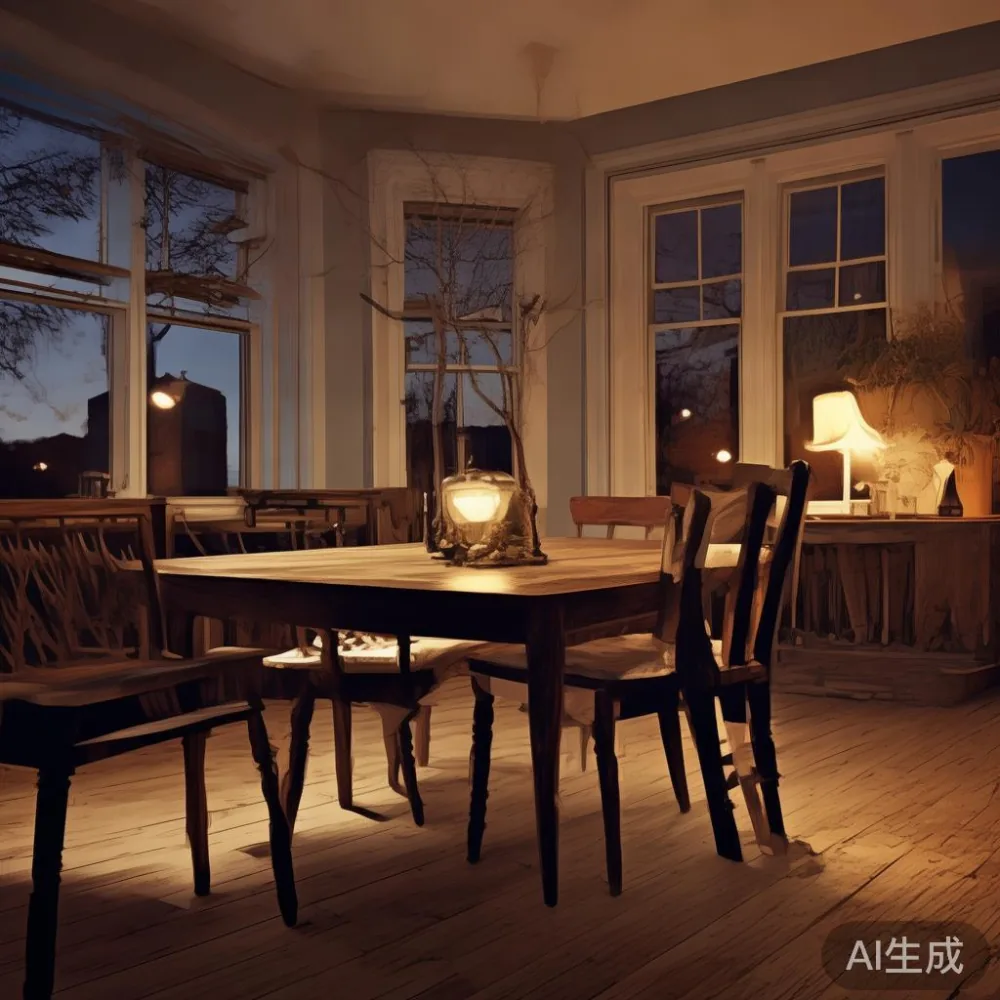
This guide compares realistic Singapore prices in SGD, typical dimensions and weights, delivery timing, maintenance, and likely replacement patterns. It also considers the compact layouts common in Tampines, Bedok, and Punggol, where a dining zone may sit beside the kitchen rather than inside a separate formal room. MIDHILL has manufactured solid wood furniture since 2008 and exports to more than 15 countries, so this comparison treats dining chairs as working products subject to movement, humidity, cleaning, and daily use.
What is the real 5-year cost difference between veneer and solid wood dining chairs?
For a typical family of 4, assume a 4-seat dining set priced around SGD 1,200 in veneer or SGD 2,100 in solid wood. The veneer set may include engineered panels, plywood, and printed or sliced wood faces. The solid wood set uses timber through the visible chair structure, with differences by species and construction. These are market-planning figures rather than fixed quotations.
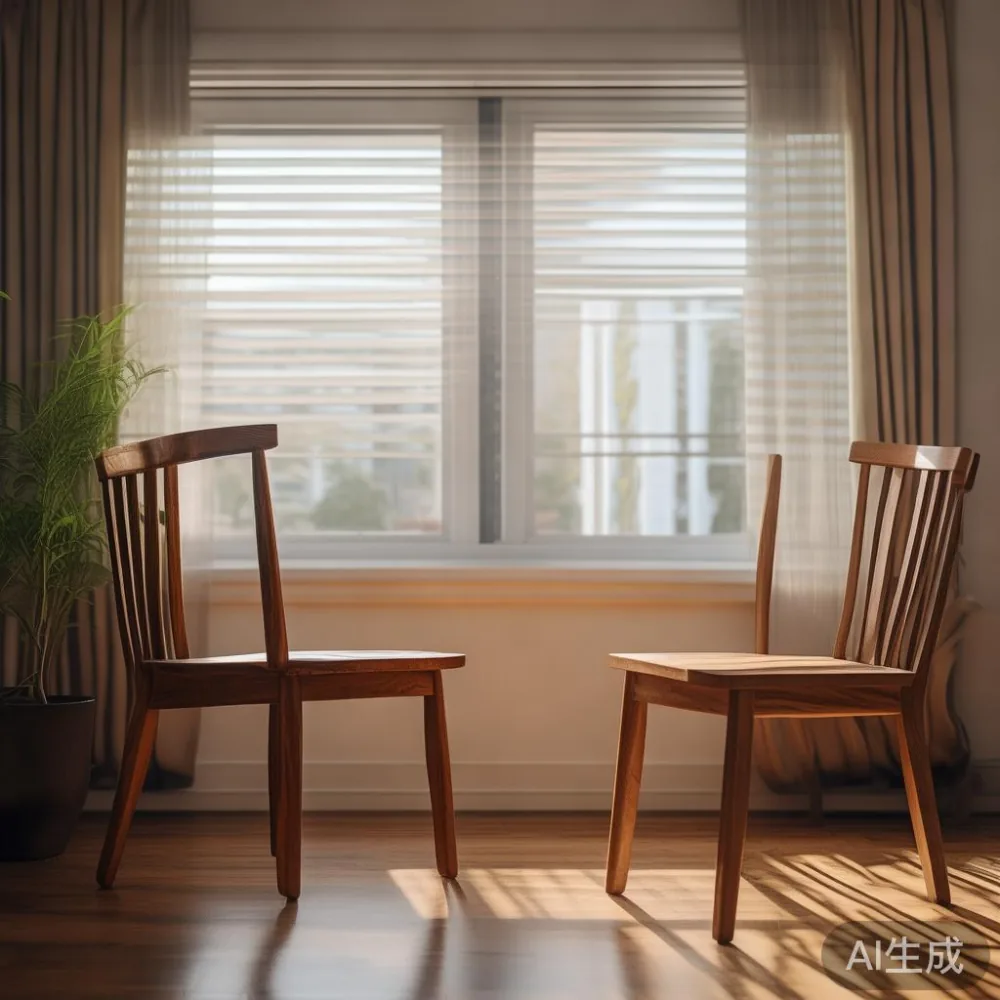
Allow SGD 250 for delivery and assembly in Singapore if the vendor does not include them, or roughly SGD 40 per trip for a small van hired independently. A solid wood order may take 25-40 days to produce and deliver, while a mixed veneer order may take 14-25 days. Delivery to most Singapore addresses is commonly 3-7 days after production, although the exact schedule depends on stock, finish, and the supplier.
Over 5 years, the initial cost difference for this example is about SGD 900. A veneer set may need one partial repair at SGD 80 and a replacement seat pad or small chair at SGD 300 after year 4, bringing estimated 5-year spending to SGD 1,630. A solid wood set may require sanding and re-oiling once at SGD 120, with no chair replacement expected within the period, bringing total spending to SGD 2,220. The solid set costs about SGD 590 more, but if the original veneer set fails after 5 years, that advantage narrows or reverses.
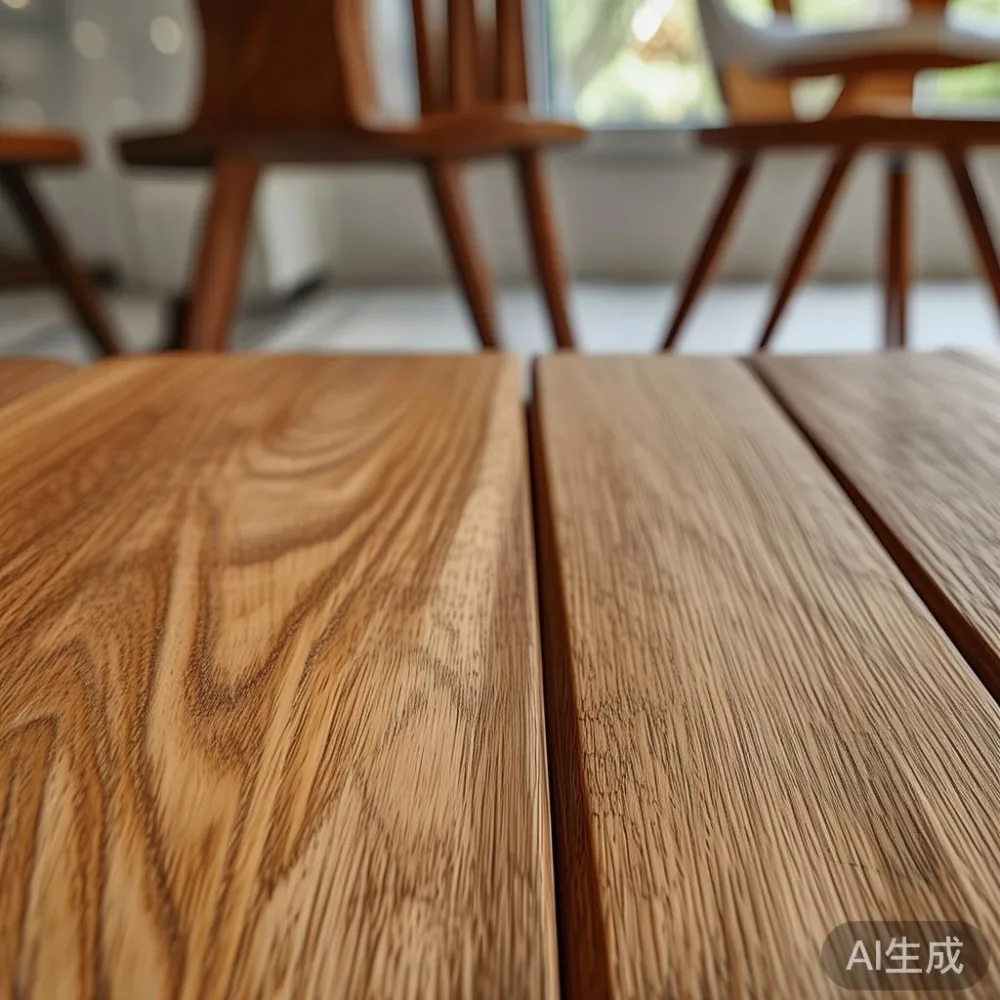
The result changes with family habits. A household that eats at the table every evening, has 2 children, and moves the dining chairs twice a year creates more wear. A couple who uses the table for breakfast and light dinners generates less. A restaurant-style home with 6 guests at once places more load on joints and seats. This is why a simple average purchase price can be misleading.
How solid wood and veneer are built—and why it matters
Veneer uses a thin layer of real timber, often around 0.3-0.8 cm, bonded to engineered board or plywood. The face can look close to solid wood, but the core behaves differently as temperature and humidity change. Veneer dining chairs often use a combination of plywood seats, laminated backs, and wooden legs. They are lighter, commonly 4.5-6.5 kg per chair, and easier to carry up a lift.
Solid wood dining chairs use solid timber in load-bearing parts. Oak, ash, beech, rubberwood, and other species have different densities, hardness, and price levels. A solid oak dining chair may weigh 6-8.5 kg, while a rubberwood chair may weigh 5-7 kg. Heavier is not automatically better, yet solid construction can resist joint movement better when moisture causes expansion and contraction.
Singapore’s relative humidity often ranges from roughly 60% to 85%, with air-conditioning reducing indoor moisture but not eliminating seasonal variation. Solid wood can move by small amounts across its grain. Good joinery and a stable finish allow this movement without splitting. Poorly sealed veneer edges can swell, peel, or show black lines where the protective layer has failed.
Quality matters on both sides. A dense plywood frame with corner blocks and through-tenons can outlast a poorly made solid chair. Inspect the underside, look for gaps at joints, and check whether back supports are fixed with screws, dowels, or bolts. A chair with a 42 cm seat height, 45-48 cm width, and 82-88 cm height is usually comfortable for a dining table with 74-76 cm clearance. A small child may need a 38-40 cm seat height or a stable footrest.
Singapore price comparison: what do dining chairs cost today?
A 4-seat veneer dining set commonly falls between SGD 700 and SGD 1,500. Mid-range sets with shaped backs, better hardware, and thicker seats may reach SGD 1,600-1,900. Entry products with printed grain and basic MDF cores sit at the lower end. Solid wood dining sets commonly range from SGD 1,500 to SGD 3,200, with sculpted hardwood, wide upholstered seats, or more elaborate finishes above that.
Single-chair comparisons also help. A veneered dining chair may cost SGD 140-300, while a solid wood dining chair may cost SGD 320-650. Upholstery adds about SGD 80-220 per seat, with fabric usually easier to clean than high-cost leather. A marble table may be outside a tight dining budget, but a wood dining table around SGD 1,800-3,500 is common; the chairs should not be so narrow that they visually disappear beneath it.
GST treatment depends on the seller and transaction structure, so displayed retail prices may or may not include GST. Buyers should confirm the final invoice rather than assume. For larger homes, a solid wood sofa, bed frame, dining table, wardrobe, or nightstand may be purchased in a coordinated project. Searches for Modern light luxury wardrobe, under 2000 light luxury furniture, and wholesale light luxury furniture can produce mixed material listings, so the specification should state solid timber, veneer, or engineered board clearly.
For a bedroom project, the best Japandi bed for 2026 is a design trend rather than a material guarantee. Likewise, anyone asking how to choose European light luxury bed should check frame construction, center support, slat spacing, and finish quality. These comparisons do not directly change dining chair economics, but they demonstrate why a clear material description is valuable. The same discipline applies when asking where to buy wardrobe from MIDHILL: compare the specified timber and construction, not only the style photograph.
Will solid wood dining chairs fit through an HDB lift and corridor?
Most HDB blocks have a lift car with internal dimensions of about 107 cm by 137 cm, although older and newer blocks differ. Door openings are often around 80-90 cm. A dining chair with a 48 cm width should pass individually through a standard lift, even if turned sideways. Moving a 4-chair set at once is unnecessary; carrying 2 chairs per person is usually manageable.
The harder obstacle is the route from the lift to the unit. Some corridors are only 90-120 cm wide, and corners may be tight. A chair depth of 48-55 cm and a weight below 8 kg are practical limits for many older blocks. Remove detachable backs or seat pads if the supplier allows it, wrap corners with moving blankets, and measure the narrowest landing before delivery.
Solid wood dining chairs are not automatically excluded from HDB flats. The greater difference is handling effort: a 7 kg chair is less convenient than a 5 kg one, especially while working through several turns. A 3-person lift may hold 300-400 kg, but users must observe the posted capacity. A private condo corridor may be wider, yet owners should check service elevator access, loading hours, and whether the freight lift requires a booking.
Access affects the total cost. A supplier delivering to the door unit may charge SGD 100-250 for an ordinary Singapore order, while carrying from the ground-floor lobby to level 18 may add a separate service fee of SGD 30-80. Self-carrying can avoid the charge, but only makes sense if the route is clear and there are at least 2 people.
What happens to each material after 5 years of daily use?
Veneer chairs are usually lighter to refinish because thin faces wear down differently from solid timber. If the veneer remains sound, the surface can be cleaned and recoated. The common failure points are the seat edge, exposed plywood end grain, back joints, and the bond between face and core. Delamination can make a chair unsafe even when it still looks presentable.
Solid wood tends to show scratches, dents, and uneven colour as it ages, but these marks can often be sanded and repaired. A light chair may need 20-60 minutes of surface work. Oiled wood should be wiped with a damp cloth and mild soap, then dried within 10 minutes. A chemical cleaner should not sit on the surface for more than 2-3 minutes.
Use a coaster and placemat, and keep food oils away from the joint area. Wipe spills within 15 minutes. Avoid placing dining chairs in direct afternoon sun for 4 or more hours daily, since repeated heating and cooling can dry the finish. Maintain indoor relative humidity around 45-65% where practical. A digital hygrometer costing SGD 20-40 helps identify persistently damp zones near windows.
Solid wood chairs with loose joints can often be tightened and reglued. Veneer chairs with failed cores may need a new seat or back panel, and parts may be harder to source after 3-5 years. This serviceability is one reason a higher initial price can produce a lower 5-year cost. It is also a practical form of light luxury: French light luxury, American light luxury, and post-modern light luxury all work best when materials age with dignity rather than looking disposable.
What did I notice during a recent dining-chair inspection?
Last month, I visited a colleague’s dining area in Tampines to compare a 3-year-old veneer set with a solid wood set borrowed from a sample room. The veneer chair weighed 5.2 kg and had already developed a shallow crease near the front-left seat corner, but its screw-fixed back support remained tight. The solid wood chair weighed 7.1 kg and had a small 4 cm scratch across one rail. After cleaning, light sanding, and 1 coat of oil, the scratch was difficult to notice from a seated position.
The colleague’s HDB route included a 91 cm corridor and a lift doorway of about 84 cm. Both chairs moved through individually without disassembly. The heavier chair took longer to turn at the landing, confirming that weight and shape matter alongside dimensions. The lesson was not that one material always wins, but that the solid chair had more recoverable surface damage while the veneer chair’s seat edge was already vulnerable to further chipping.
This reflects why a 5-year projection should include repair scenarios rather than a single purchase number. A small scratch in year 2 may cost SGD 20 in materials and 30 minutes of work. A split seat veneer in year 3 may require a SGD 150-300 panel replacement plus labour. A loose solid wood joint may need SGD 40-100 in glue, clamps, and technician time, provided the timber itself remains sound.
How do warranty, returns, and delivery affect the 5-year calculation?
MIDHILL provides a 10-year structural warranty and lifetime refinishing on eligible products, along with free shipping for orders over US$350 and a 14-day return window. The shipping threshold must be converted to SGD when checking an order, and the return terms should be confirmed for the specific dining set. A 14-day return period does not mean a chair must remain unused; normal assembly and a careful inspection for damage should be discussed with the supplier before delivery.
For Singapore delivery, allow 14-40 production days and 3-7 local transit days. A furniture lift or narrow-corridor delivery may add 1-2 days. These timelines affect the furniture budget indirectly: if the existing set remains usable during the wait, there is no rushed purchase. If a move is already scheduled, a seller with confirmed stock may reduce downtime.
Lifetime refinishing can reduce the effective cost of solid wood dining chairs if wear occurs early. It should not be confused with unlimited free replacement of every damaged part, so check the written coverage for labour, collection, and finish types. A 10-year structural warranty can cover defects in qualifying frames, but accidental impact and finish wear are different categories. Keep the invoice, product photos, and delivery record.
Buyers comparing a dining table with a marble table should measure the dining zone before ordering. A 140 cm round table needs about 75-80 cm of clearance from the table edge to a wall or cabinet. The same clearance applies when positioning dining chairs. For under 2000 light luxury furniture listings, check whether the photograph shows veneer on a solid timber frame, all-solid construction, or a combination. Honest specification prevents a low price from becoming a 5-year repair cost.
Which option should a Singapore household choose?
Choose veneer dining chairs when the budget is limited, the chairs will be used lightly, and the home has a stable indoor environment. They work well as occasional seating in a compact Tampines or Punggol unit where frequent carrying is likely. A 4-seat set around SGD 900-1,300 may be sensible, provided the seat construction, edge sealing, and joint fixings are checked.
Choose solid wood dining chairs when the table is used daily, the household values repairability, or the chairs are intended to remain through several home moves. A 4-seat set around SGD 1,800-2,600 can fit a condo or HDB dining zone when measured carefully. The higher price buys more repair options and often better long-term stability, although workmanship still controls performance.
For most families, the practical 5-year break-even point is not based on the first scratch. It appears when a chair is moved, cleaned, tightened, and kept through repeated daily contact with the floor. If the cheaper veneer set needs 1 replacement chair costing SGD 250-350 and a repair costing SGD 100, the 5-year difference versus a good solid set may shrink from SGD 700-900 to SGD 300-500 or less.
The sensible approach is to purchase a total-cost plan: set aside SGD 100-250 for initial delivery and 10-15% of the chair price for likely finish care over 5 years. Review the set every 6 months, tighten fixings, and address marks before they become cracks. If both materials are available at similar prices, solid wood normally offers more long-term service in a busy dining space.
For product details, sizing, and current availability, m.midhill.co is the relevant place to review the dining chair specifications. Confirm the exact timber, seat dimensions, finish, delivery quotation, GST treatment, and warranty conditions before payment. That small check can prevent a good-looking dining set from becoming an expensive compromise.