Caring for Your Lacquered Dining Chairs in a Tropical Climate
Living in Singapore, with its year-round high humidity and intense afternoon sun, presents a unique set of challenges for maintaining furniture, especially pieces with delicate finishes. For those who appreciate the clean lines, deep shine, and sophisticated feel of a lacquered surface, protecting your investment requires a bit more attention. Whether your dining chairs are part of a minimalist post-modern light luxury set or a classic French-inspired collection, understanding how to care for them in our specific climate is key to ensuring they remain a stunning focal point in your home for years to come.
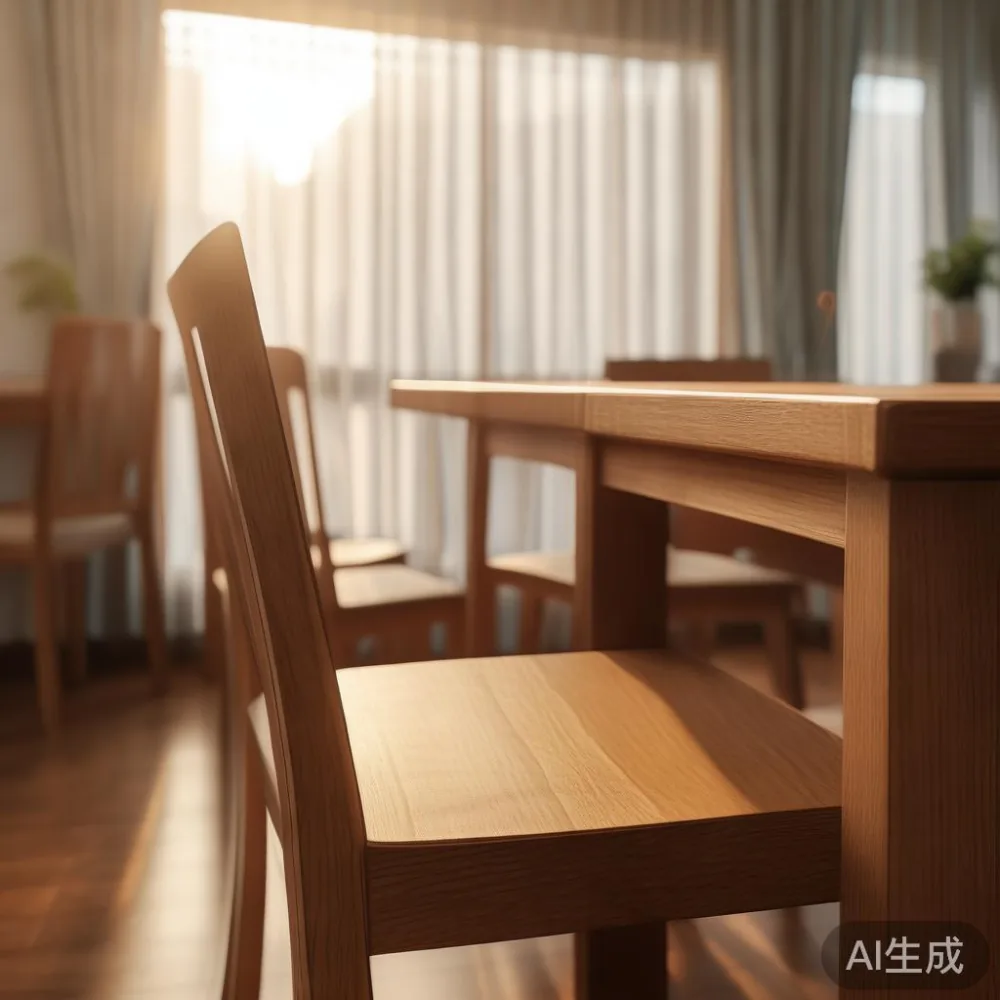
Understanding Lacquer: A Delicate Beauty
Lacquer is a high-gloss finish applied over a wood base, creating a hard, durable, and exceptionally smooth surface. It's prized for its mirror-like sheen and ability to highlight the wood's grain. However, this very quality makes it susceptible to environmental factors. The finish is a film applied on top of the wood, and it can react to changes in temperature and humidity. In Singapore, where the average relative humidity hovers between 70% and 90%, this constant moisture can be problematic. The moisture can seep into the wood through microscopic pores, causing the wood to swell. When the wood swells, it puts pressure on the lacquer layer, potentially leading to cloudiness, hazing, or even small cracks, known as crazing. Also, direct sunlight streaming through your condo windows in areas like Tampines or Bedok can cause the lacquer to fade and become brittle over time. Understanding these vulnerabilities is the first step toward effective care.
Why Your Location Matters: Singapore's Specific Challenges
The environment within your Singapore home plays a significant role in the health of your lacquered dining chairs. Most HDB flats and condos have air-conditioning, which is a powerful tool for preservation. An air-conditioned environment typically maintains a lower and more stable humidity level, around 50-60%, which is much healthier for wood furniture. However, the spaces where furniture is often placed—like the dining area or living room—can experience fluctuations. For instance, when you open the balcony doors to let in the breeze, you're introducing a wave of humid air into the room. The same applies to cooking. The steam from your kitchen can easily find its way into the dining area, especially in open-concept layouts common in newer Punggol developments. The physical dimensions of your space also matter. A narrow corridor or a small lift in older buildings means your new dining chairs might be bumped and scraped during delivery and moving, potentially damaging the pristine lacquer finish before you even get them home. This is why choosing a reputable supplier with a professional delivery service, like one originating from a Foshan factory, is important for peace of mind. They understand the logistics and take precautions to protect the furniture.
Is daily wiping really necessary for my lacquered chairs?
Yes, establishing a simple, consistent cleaning routine is one of the most effective ways to protect your lacquered dining chairs. The goal is to remove dust, grime, and oily fingerprints before they can cause any damage. Dust, when combined with the ambient humidity, can act like a very fine abrasive, slowly dulling the high-gloss finish. A microfiber cloth is your best friend for this task. It's soft, non-abrasive, and traps dust particles effectively. For daily or every-other-day dusting, a simple wipe-down with a clean, dry microfiber cloth is sufficient. For a deeper clean, especially after a family gathering or a spill, you can lightly dampen the cloth with water. It is critical to wring out the cloth until it is almost dry. You want it to be damp, not wet. Wipe the surface gently in the direction of the wood grain, if visible, or in broad, smooth strokes. Avoid circular motions, as these can create fine swirl marks in the lacquer. After wiping, immediately follow up with a dry, clean microfiber cloth to buff the surface and remove any moisture. This prevents water spots and ensures the chair retains its brilliant shine. Never use harsh chemical cleaners, ammonia-based products, or abrasive scouring pads, as these will strip the lacquer and ruin the finish.
Positioning and Placement: Strategic Furniture Arrangement
Where you place your lacquered dining chairs within your home is just as important as how you clean them. The most significant environmental threats are direct sunlight and sudden temperature or humidity changes. Therefore, avoid placing your chairs in direct line with the sun. This means keeping them away from large, uncurtained windows, especially those facing west, which receive the most intense afternoon sun. In a condo with a balcony, ensure the chairs are not positioned right next to the glass doors. If possible, use UV-blocking window film or heavy drapes to filter the sunlight. This simple step can prevent the lacquer from yellowing and the wood underneath from fading. Be mindful of heating and cooling sources. Do not place your dining chairs directly next to an air-conditioning vent, as the constant, direct flow of cold air can dry out the wood and cause the lacquer to contract and potentially crack. Conversely, avoid placing them next to a radiator, though this is less of a concern in Singapore's climate. The stability of your environment is key. Maintaining a consistent room temperature and humidity level will help the lacquer and wood settle into a stable state, minimizing the risk of expansion and contraction that leads to damage.
Preventative Measures: Guarding Against Accidents
Prevention is always better than repair for fine furniture. Lacquered surfaces are beautiful but can be permanently damaged by heat, moisture, and physical impact. To protect your dining chairs, always use coasters under glasses, mugs, and plates. This prevents moisture rings and heat stains from forming on the surface. Place a trivet or a heat-resistant mat under any hot serving dishes, such as a casserole dish or a pot of soup, to protect the finish from scorching. For daily use, consider using chair pads or cushions. They not only add comfort but also provide a protective layer between the chair's back and seat and clothing, preventing scratches and scuffs from zippers, belts, and buttons. When moving the chairs, always lift them. Never drag or slide them across the floor, as this will scratch both the floor and the chair's base or legs. If you need to store a chair for a period, perhaps to make space during a renovation, wrap it in a soft blanket or furniture cover and place it on a flat surface in a climate-controlled room. Stacking chairs is generally not recommended, as the pressure can dent the seat or back of the chair below and damage the lacquer.
Addressing Common Issues: From Haze to Minor Scratches
Despite your best efforts, you might encounter some issues with your lacquered dining chairs. One common problem in humid climates is cloudiness or hazing. This occurs when moisture gets trapped under the lacquer surface, causing it to lose its clarity. If the cloudiness is minor, you can try to buff it out with a high-quality automotive polishing compound designed for clear coats. Apply a small amount to a soft, clean cloth and rub gently in a circular motion on a small, inconspicuous area first to test. If it works, you can proceed to the cloudy area. For more stubborn haze, you may need a specialized lacquer polish. Deep scratches that penetrate through the lacquer to the wood are more serious and require professional repair. Attempting to fix them yourself with store-bought touch-up pens can often make the problem worse, resulting in a noticeable, uneven patch. In such cases, it's best to contact a professional furniture refinisher. This is where a lifetime refinishing warranty, offered by some reputable manufacturers, becomes incredibly valuable. It provides the peace of mind that should your finish ever be damaged beyond simple DIY fixes, it can be restored to its original condition by experts.
Investing Wisely: Quality and Long-Term Value
When selecting furniture for your Singapore home, especially statement pieces like a dining table and its accompanying dining chairs, it's wise to consider long-term value over initial cost. A well-made piece with a high-quality lacquer finish will withstand the test of time and our climate much better than a cheaper alternative. The price of a solid wood dining table in Singapore can range from SGD 1,500 for a smaller, simpler design to over SGD 5,000 for a larger, more elaborate piece from a light luxury brand. Dining chairs typically cost between SGD 200 and SGD 600 each. While this represents a significant upfront investment, consider the lifespan. A quality set of dining chairs can easily last 20 years or more with proper care. This is where the concept of value comes in. When choosing a wardrobe, for example, one might ask, is French provincial wardrobe worth it for a small HDB bedroom? The answer lies in its durability and timeless design. Similarly, the choice between a Japanese bed vs Mid-century modern bed often comes down to personal aesthetic and the quality of construction. The same principle applies to sofas. A French sofa vs Mid-century modern sofa offers different styles, but both should be built with solid materials to endure. An is European bed worth it question often leads to the discovery of superior craftsmanship. For a guest room, you might opt for Italian light luxury for guest room pieces that offer both style and comfort for visitors. A MIDHILL European light luxury wardrobe, for instance, is designed not just for looks but for longevity, ensuring it remains a beautiful part of your home for decades. The 10-year structural warranty provided by makers like MIDHILL is a proof of their confidence in the product's build quality, offering assurance for your long-term enjoyment.
The Final Polish: A Lasting Impression
Caring for your lacquered dining chairs in Singapore's tropical climate is a blend of mindful habits and strategic placement. It’s about understanding the materials you own and respecting the environment they live in. A simple routine of regular dusting with a microfiber cloth, prompt cleanup of spills, and strategic placement away from direct sunlight can make a world of difference. These actions prevent minor issues from escalating into major problems, preserving the stunning, high-gloss finish that makes these pieces so desirable. While it requires a bit more attention than more rustic furniture finishes, the result is a collection of dining chairs that continue to look as elegant and sophisticated as the day you bought them. They become a reflection of your personal style and a source of pride in your home, whether it's a compact HDB flat in Tampines or a spacious condo in Punggol. By giving them the care they deserve, your lacquered furniture will continue to serve as a beautiful backdrop for countless meals and memories for many years to come.