The Art of Spacious Living: Styling Small Singapore Apartments Without the Crowded Feel
In Singapore, where living spaces are a premium, the challenge of making a small apartment feel open, airy, and uncluttered is a reality for many residents in HDB flats and condos across Tampines, Bedok, and Punggol. With standard lift and corridor widths often under 1.2 meters, every piece of furniture must be carefully considered. The key isn't simply buying smaller items; it's about choosing furniture with a smart design philosophy that maximizes both function and visual space. This guide focuses on the heart of the home—the dining area—and explores how the right dining chairs, combined with strategic furniture choices, can transform a compact room into a sophisticated and welcoming retreat.
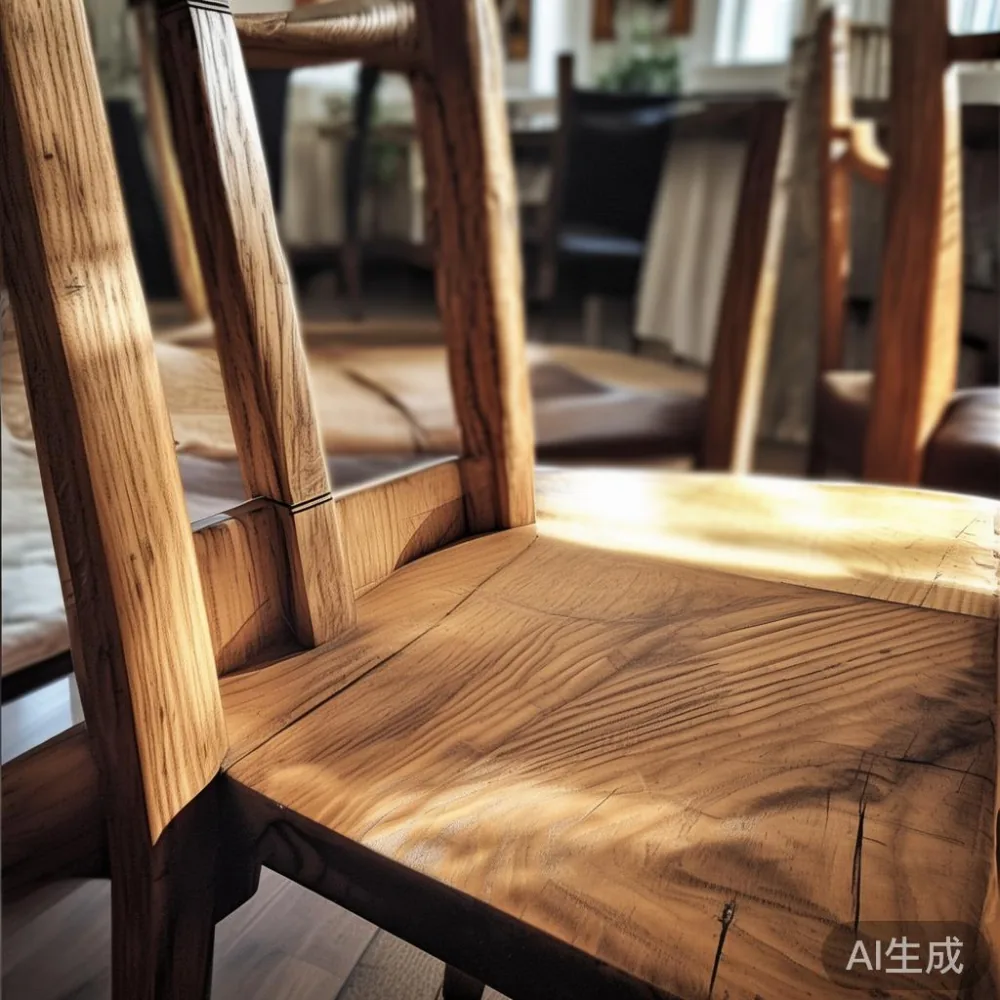
Understanding Singapore's Spatial Constraints: More Than Just Small Numbers
Before selecting a single piece of furniture, it's important to understand the physical limitations of a Singaporean apartment. The typical HDB living room in a new flat might measure around 4.8 meters by 4.2 meters. While this may sound adequate, it must accommodate a sofa, a dining table with dining chairs, a TV console, and potentially a study nook. The challenge is compounded by the fact that you need to leave a clear path of at least 80cm for comfortable movement, especially in narrow corridors leading from the kitchen.
When planning your dining area, start by measuring the exact space you have. A common mistake is to measure the floor space and forget about the surrounding area. For example, if you place a 1.5-meter round dining table in the middle of a 4.2-meter wide living room, you must also account for the space needed to pull out the dining chairs. Each dining chair requires approximately 60-70cm of space from the table edge to avoid hitting a wall or another piece of furniture. This means your total dining footprint could easily extend to 2.7 meters in diameter, leaving very little room for a sofa or a sideboard.
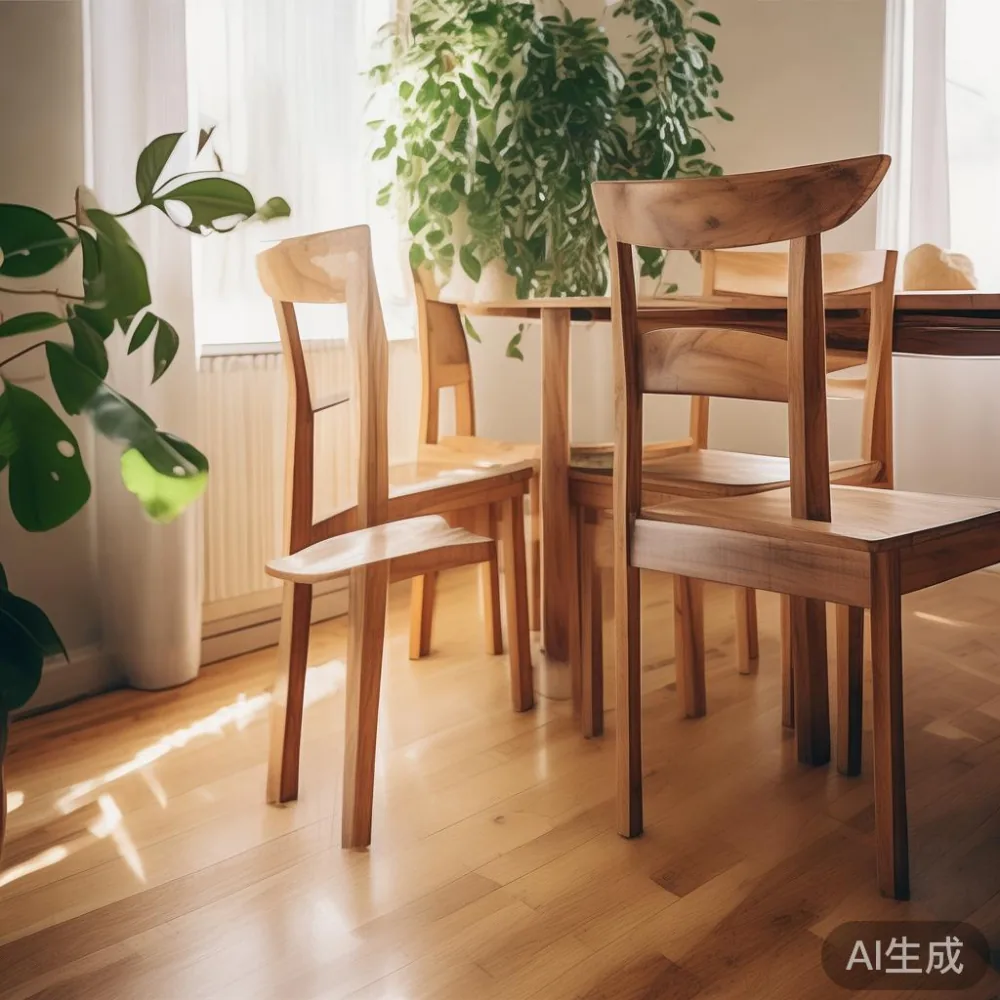
One effective strategy is to use multi-functional furniture. A console table that can serve as a buffet or a workspace when not in use is a far better choice than a large, dedicated sideboard. This approach aligns perfectly with the principles of light luxury furniture, which emphasizes intelligent design and refined aesthetics over sheer size.
Choosing the Right Dining Chairs: Form, Function, and Illusion of Space
The dining chairs are arguably the most dynamic elements in a dining area. They are constantly being pushed in and pulled out, and their visual impact is significant. For a small apartment, the choice of dining chair can make or break the sense of spaciousness. The goal is to find chairs that are comfortable but visually light.
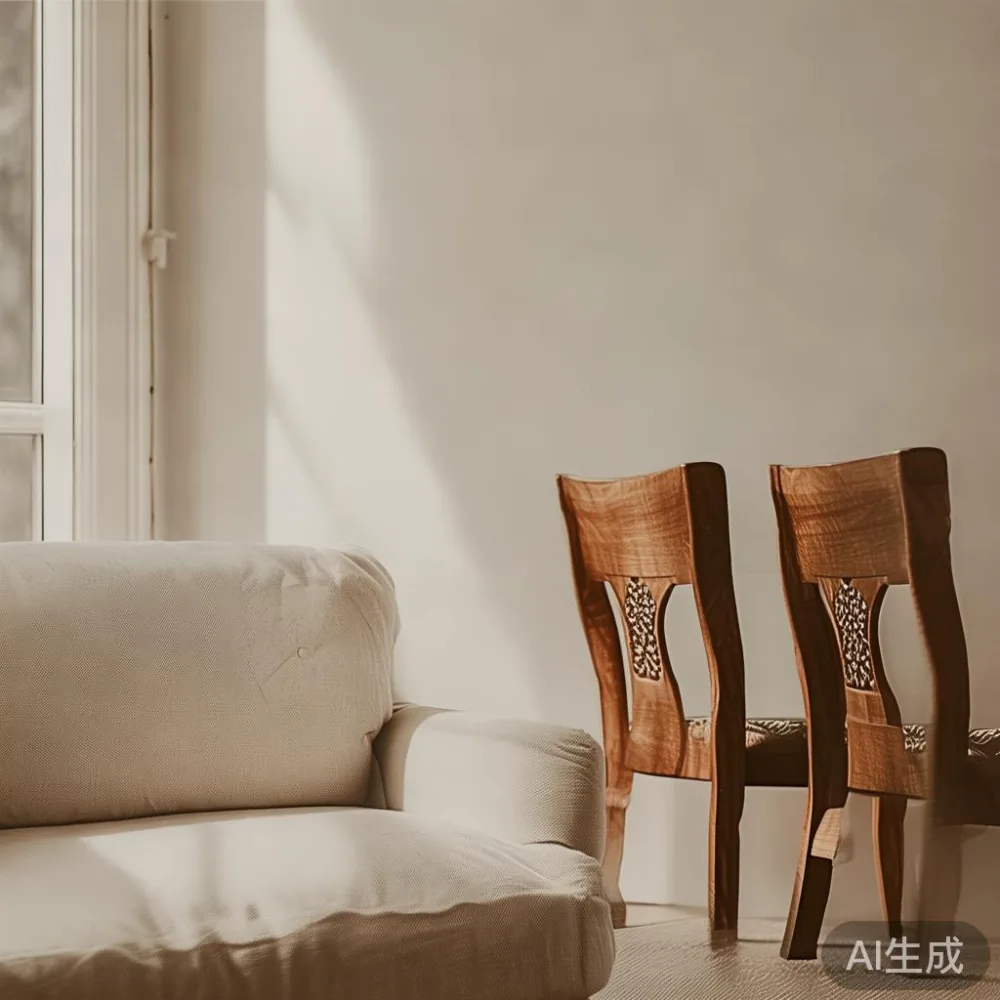
At MIDHILL, we often recommend chairs with slender legs and open backs. A chair with four solid legs creates a heavy, grounded look, whereas one with slender, tapered legs or a cantilever design creates a sense of lightness, allowing the floor to be seen underneath and making the room feel larger. The material also plays a key role. A solid wood dining chair in a light oak finish will feel less imposing than one in a dark walnut or black finish. The natural grain of the wood adds warmth without adding visual weight.
Consider the dimensions carefully. A dining chair that is 55cm wide, 55cm deep, and 80cm high is a common size. However, a chair with a slightly narrower seat depth of 45cm can make a noticeable difference in a tight space. The weight is also a practical consideration. A chair that weighs 5kg is easy to move for cleaning or for extra seating, whereas a heavier, bulkier model might be permanently fixed in place, reducing flexibility.
My colleague recently helped a client in a Bedok condominium with this exact problem. The client loved the look of a large, upholstered dining chair but found it made their compact dining area feel claustrophobic. We swapped them for a set of our solid wood dining chairs with a woven seat back. The result was immediate; the space felt more open and airy, yet retained a sense of quality and comfort. This experience underscores how the right dining chairs can fundamentally change a room's feel without sacrificing style.
How to Style a French Provincial Sofa in an Apartment?
While the focus is on the dining area, the living room furniture directly impacts the flow. A common question we hear is: how to style a French provincial sofa in an apartment? The French provincial style is known for its elegance and ornate details, which can sometimes feel too heavy for a small space. The secret lies in scale and pairing.
Instead of a large, overstuffed three-seater sofa, opt for a two-seater or even a loveseat. The classic curved arms and exposed wood legs of a French provincial sofa can actually work in your favor. The legs lift the sofa off the ground, creating visual space underneath, and the curved lines soften the room's hard angles, making it feel less rigid. To balance the ornate nature of the sofa, keep the rest of the living room furniture simple and clean-lined. A minimalist marble coffee table with slim metal legs, for instance, provides a stunning contrast without competing with the sofa's charm.
For a cohesive look, you could extend this aesthetic to the dining area. A set of dining chairs with a similar curved back or a subtle detail in the woodwork can create a beautiful visual connection between the living and dining zones, unifying the space even as it serves different functions.
French Sofa vs Mid-Century Modern Sofa: A Space-Saving Showdown
When choosing a sofa for a small apartment, the debate often comes down to two popular styles: the French sofa and the Mid-century modern sofa. Understanding their differences is key to making the right choice for your space.
A French sofa, as discussed, prioritizes elegance and curves. It often features deeper seats and more upholstery, which can make it feel substantial. In a very small living room, it might dominate the space. A Mid-century modern sofa, on the other hand, is the champion of small spaces. It is defined by its clean lines, tapered legs, and often, a lower profile. This design philosophy creates a sense of openness and allows light to flow underneath and around it. A typical Mid-century modern sofa might be 80cm deep, whereas a French counterpart could be 95cm deep—a significant difference in a tight layout.
The choice ultimately depends on the desired ambiance. If your goal is a bright, airy, and uncluttered feel, the Mid-century modern sofa is often the superior choice. If you prefer a more traditional, romantic, and luxurious feel, a carefully scaled French provincial sofa can work beautifully, provided it's balanced with simpler furniture elsewhere. The key is to never let any single piece of furniture, whether a sofa or dining chairs, overwhelm the room's proportions.
Maximizing Storage and Functionality
Clutter is the enemy of a small apartment. The best way to combat it is with intelligent storage solutions that are both functional and stylish. This is where furniture with built-in storage becomes invaluable.
A solid wood bed frame with hydraulic lift-up storage is a perfect example for the bedroom. It allows you to store bulky items like blankets and seasonal clothing without needing a separate bulky wardrobe. For the living room, consider a dining table with hidden compartments or drawers. This provides a place to store placemats, coasters, and other dining necessities, keeping surfaces clear. A console table with shelves or cabinets can house media equipment, books, and decorative objects, all while maintaining a clean facade.
For wardrobes, a sliding door design is non-negotiable in a small bedroom. A hinged door requires a clear swing radius of at least 80cm, which is a luxury most small spaces cannot afford. A sliding door, on the other hand, only needs the width of the door itself to operate, saving a tremendous amount of floor space. A standard sliding wardrobe from a good manufacturer like those produced at a Foshan factory might measure 240cm in width, 60cm in depth, and 220cm in height, offering immense storage while being incredibly space-efficient.
Creating Cohesive Design Themes
To make a small apartment feel larger, it's helpful to create a sense of flow and consistency. This can be achieved by sticking to a unified design theme. You don't have to furnish the entire apartment in one style, but the different areas should feel connected.
For instance, you could embrace a Japanese for guest room aesthetic, characterized by tatami mats, low-profile furniture, and a minimalist color palette. This creates a serene and uncluttered space that feels distinct from the rest of the home. For a home office, a Mid-century modern for office setup with a sleek desk, an ergonomic chair, and a simple credenza would be both stylish and practical. The clean lines of the Mid-century style would complement the Japanese guest room, creating a harmonious feel.
In the bedroom, you might opt for Italian light luxury for bedroom pieces. This style is defined by its sophisticated simplicity, high-quality materials, and attention to detail. A platform bed with a low headboard and a marble-topped nightstand would add a touch of understated elegance without overwhelming the space. The key is to use these themes as a guide rather than a rigid set of rules, allowing for personal expression while maintaining a cohesive look.
Practical Shopping Guide for Singaporean Apartments
When it's time to furnish your apartment, knowing where to shop and what to look for can save you time, money, and a lot of headaches. Here is a practical guide to help you make informed decisions.
Where to Buy: While local furniture stores are convenient, many Singaporeans are turning to direct-from-manufacturer brands like MIDHILL. The advantage is significant. You get high-quality, luxury light luxury furniture at a price point that is often 20-30% lower than retail stores, as you're cutting out the middleman. This is especially important when buying larger items like dining sets or wardrobes, where the cost difference can amount to several thousand SGD.
What to Look For: Always prioritize quality and warranty. A reputable brand will offer a structural warranty, typically around 10 years, which covers the frame of the furniture. This is a sign of confidence in their craftsmanship. For items like dining chairs and tables, also check the warranty on the finish. A lifetime refinishing warranty is a fantastic bonus, as it means the piece can be restored to its original condition if it gets scratched or worn over time.
Logistics and Costs: Be aware of the logistics. Free shipping is a major perk, but check the minimum spend amount. Many brands offer free shipping for orders over SGD 350, which is easily achievable when buying a dining table and chairs. For orders below that threshold, expect a delivery fee of around SGD 50-80. Delivery times can vary. Local stock might arrive in 3-5 days, while items shipped from a Foshan factory could take 10-14 days, plus any customs clearance time. Remember to factor in Singapore's 9% GST on all purchases.
Customer Question: Can I Really Fit a Dining Table for Six in My Small HDB Flat?
Yes, you absolutely can, but it requires a clever approach. The key is to think beyond a traditional, bulky dining set. Instead of a large rectangular table with six standard dining chairs, consider a round or oval table. A round table with a diameter of 1.4 meters can comfortably seat six people if you use armless dining chairs. The lack of arms allows you to squeeze an extra chair or two around the table.
Also, opt for chairs that can be tucked completely under the table when not in use. Many of our dining chairs are designed with a slight taper or a sled base to allow for this, minimizing their footprint. If space is extremely tight, consider a drop-leaf table. You can fold down one or two leaves to create a compact console table against the wall and only expand it when guests are over. This flexibility is the ultimate solution for small-space dining.
Putting It All Together: A Case Study
Let's imagine a 90-square-meter HDB flat in Tampines. The living room is 4.8m x 4.2m. The owner wants a functional space for dining, working, and relaxing.
The Dining Area: Against one wall, they place a 1.4-meter round solid wood dining table. They pair it with four sleek, solid wood dining chairs with woven seats. Each chair is 50cm wide and 55cm deep. When not in use, they can be pushed completely under the table, leaving a clear path. For guests, they have two folding stools that can be stored in a nearby console table.
The Living Area: Opposite the dining table, they place a 1.8-meter long Mid-century modern sofa. Its low profile and tapered legs keep the space feeling open. In front of it, a small marble coffee table on slim legs provides a surface without blocking the view. A TV console with closed cabinets conceals all electronics, maintaining a clean look.
The Work Nook: In a corner near the window, they've placed a small writing desk. It's paired with a single, elegant chair that matches the dining chairs, creating a visual link. A floating shelf above the desk provides storage without taking up floor space.
This layout demonstrates how thoughtful choices—like the right dining chairs, a low-profile sofa, and multi-functional furniture—can create distinct zones within a small room, making it feel spacious, organized, and stylish without ever feeling crowded.
Final Thoughts on Small-Space Styling
Styling a small Singaporean apartment is an exercise in intelligent design. It's about making deliberate choices that prioritize scale, function, and visual flow. The right dining chairs can define a dining area without overwhelming it. A well-chosen sofa can anchor a living room without dominating it. By focusing on furniture with slender profiles, clever storage, and a cohesive design language, you can create a home that feels both expansive and intimately yours. Remember, the goal is not to fill every inch of space, but to curate a collection of pieces that work together in harmony, allowing your personality to shine through in a light, airy, and uncluttered environment.