What Actually Drives the Price of Solid Wood Furniture
When furnishing a home in Singapore, especially within the spatial constraints of HDB flats or condos in areas like Tampines, Bedok, or Punggol, every choice is deliberate. The dining chairs you select are not just for sitting; they are a statement of quality, a reflection of personal style, and a long-term investment. But why does a dining chair made of solid wood command a price ranging from SGD 250 to over SGD 800? The answer lies in a complex interplay of materials, craftsmanship, and value that extends far beyond the showroom floor.
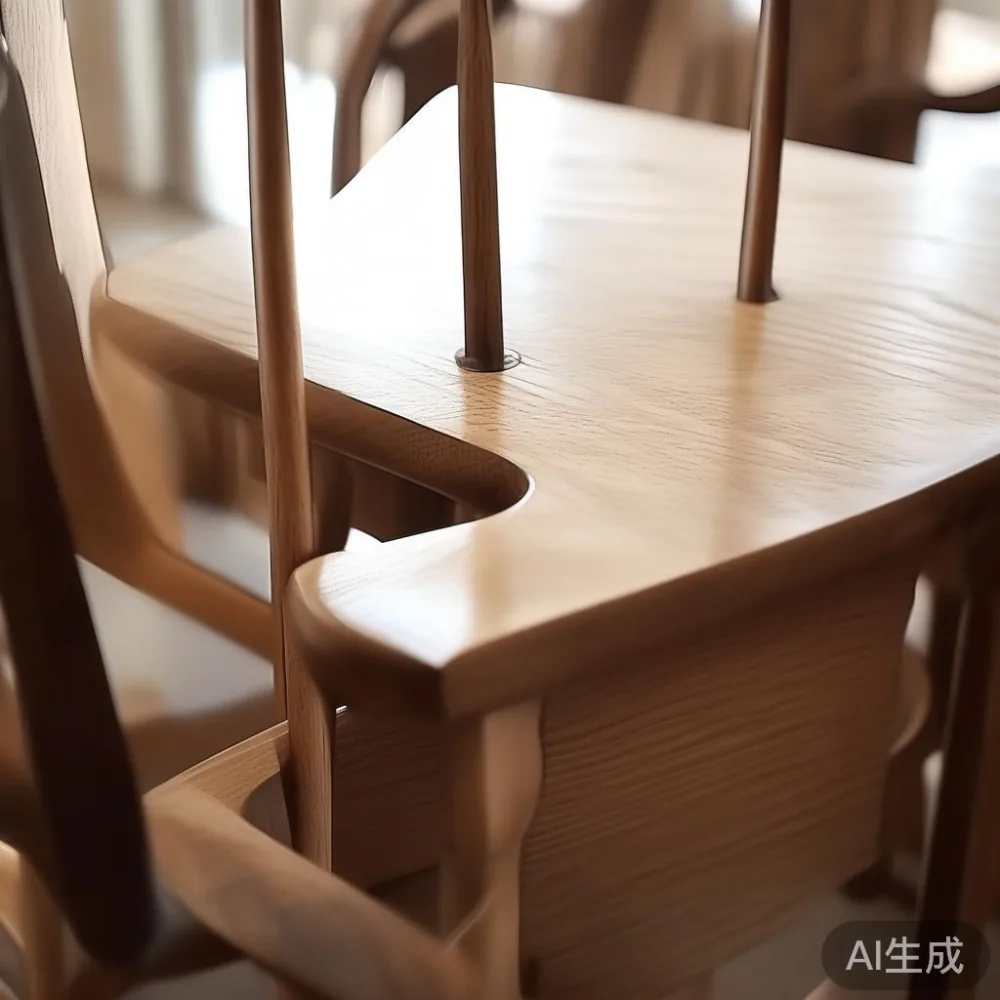
Why Are Solid Wood Dining Chairs More Expensive Than Their Counterparts?
The most fundamental reason for the price difference is material integrity. A solid wood dining chair is crafted from a single, continuous piece of wood or from solid wood components, whereas a veneer chair is in effect a thin layer of real wood glued over a cheaper composite base like MDF or particleboard. This distinction is critical for durability. Solid wood can withstand decades of use, can be sanded and refinished multiple times, and ages gracefully, developing a rich patina. Veneer, on the other hand, is prone to chipping, peeling, and cannot be refinished. For a family in a Punggol HDB unit where furniture sees daily use, the longevity of solid wood dining chairs justifies the initial investment.
Consider the weight. A solid oak dining chair might weigh 8 kg, while a veneer equivalent might weigh 4 kg. This weight is a physical manifestation of its density and structural integrity. It also impacts shipping costs, which are factored into the final price. Also, solid wood is hygroscopic, meaning it absorbs and releases moisture from the air. A well-made chair will account for this movement with joinery that allows for expansion and contraction, preventing cracks over Singapore's humid seasons. This level of engineering, invisible to the naked eye, is a key driver of cost.
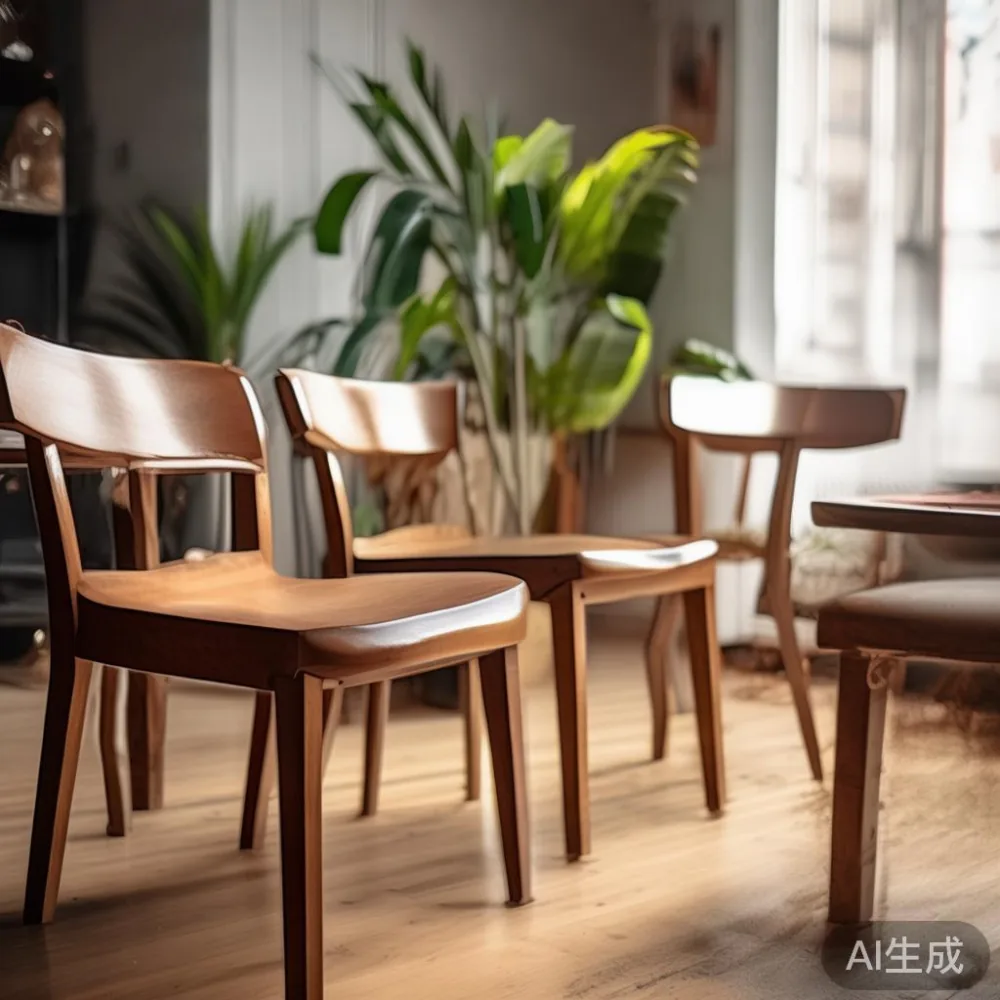
How Wood Species and Sourcing Impact the Final Cost
Not all wood is created equal. The type of wood used for your dining chairs is one of the most significant determinants of price. Premium hardwoods like North American White Oak, European Ash, and Sheesham are denser, more durable, and have a more desirable grain pattern than softwoods like pine or rubberwood. For instance, a dining chair made of solid Sheesham wood will naturally be more expensive than one made of solid pine due to the former's superior hardness and longevity.
The origin of the wood also plays a role. Sourcing sustainable, high-grade timber involves significant logistical costs. Reputable manufacturers, like those Foshan-based companies with over a decade of experience, often invest in Forest Stewardship Council (FSC)-certified materials. This certification ensures the wood is harvested responsibly, which adds a layer of cost but guarantees a higher quality and more environmentally conscious product. The journey of a single plank of oak from a forest in North America to a workshop in Foshan, and eventually to a condo in Bedok, involves shipping, customs duties, and GST—all of which contribute to the final price tag of the dining chairs.
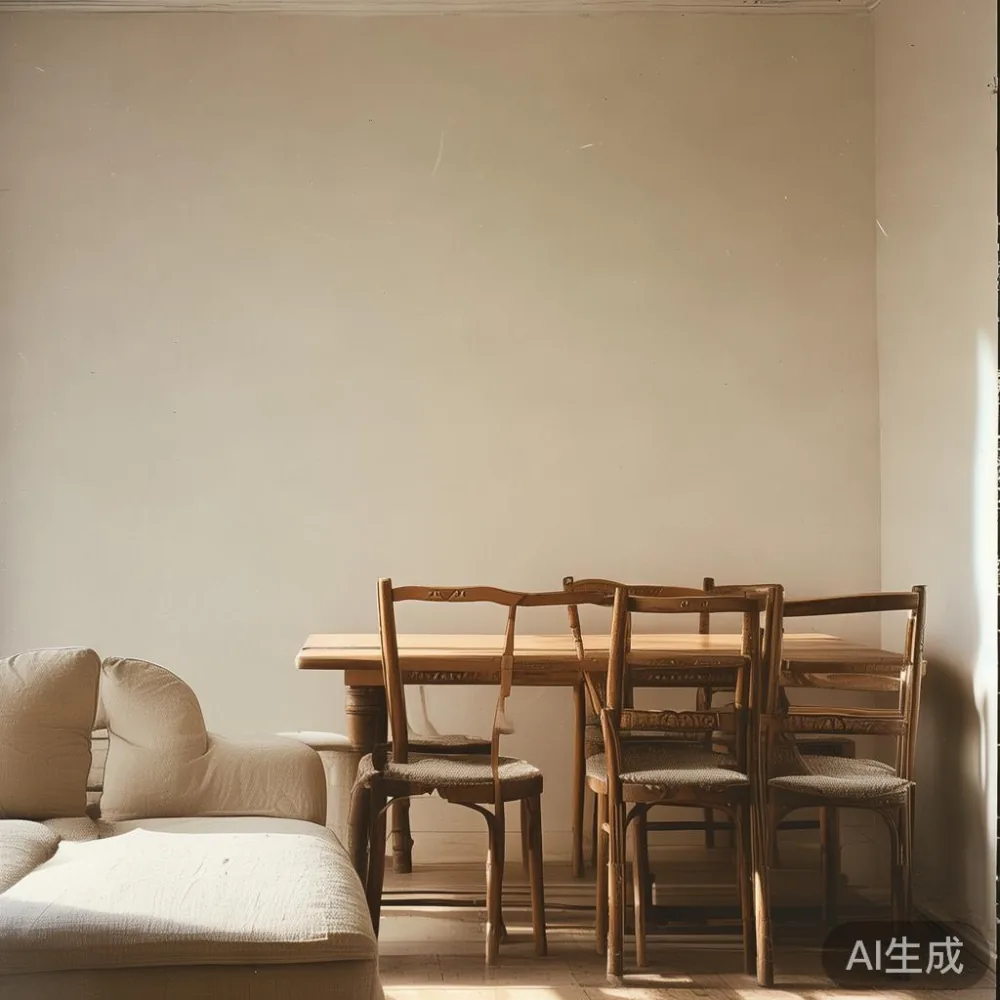
The True Cost of Craftsmanship and Joinery
This is where the price truly reflects the value. The difference between a mass-produced chair and a hand-finished one is stark. High-end dining chairs feature joinery techniques that are the hallmark of fine furniture. Mortise and tenon joints, where a protruding tenon from one piece fits into a cavity (mortise) in another, are incredibly strong and durable. Doweled joints, reinforced with wooden pegs, add further stability. These methods require skilled artisans who can cut, fit, and assemble these joints with precision.
Last month, I visited a partner factory to understand their process. I watched a master carpenter hand-cut a mortise and tenon joint for a dining chair leg. The precision was remarkable; the fit was so tight it required a gentle tap with a mallet. This level of craftsmanship cannot be replicated by a machine in a high-volume factory. It takes time, skill, and an eye for detail. Each chair might spend 3-4 hours in the hands of these skilled workers before even being considered for finishing. This labor-intensive process is a primary reason for the higher price, but it is also what ensures the chair will be a family heirloom.
Why Does Finish and Design Matter So Much for Dining Chairs?
The finish on a solid wood dining chair is not just about aesthetics; it's about protection and preservation. A high-quality, multi-step finishing process involves sanding between coats of oil, lacquer, or wax to create a smooth, durable surface. This protects the wood from spills, scratches, and UV light, which can cause fading over time. A light grey luxury sofa, for example, requires a specific type of durable finish to maintain its colour and texture, and the same principle applies to dining chairs. The finish is a shield that ensures the chair's beauty lasts for years, if not a lifetime.
Design also influences price. A simple, straight-backed dining chair will be less expensive than one with intricate carvings, curved legs, or a sculpted back. The design complexity dictates the amount of material waste and the time required for shaping. Post-modern light luxury designs, for instance, often feature clean lines and minimalist forms that require precise milling, while French provincial styles might involve more ornate details. The design choice is a direct reflection of the time and skill invested in creating that specific piece.
What About the Value of a Warranty and After-Sales Service?
When you invest in a premium solid wood dining chair set, you are not just buying the product; you are buying peace of mind. A reputable manufacturer stands behind its work. A 10-year structural warranty, for example, is a powerful indicator of confidence in the product's build quality. This warranty covers defects in the wood, joints, and construction, ensuring that if something goes wrong, you are protected. This level of assurance is something cheaper, disposable furniture simply cannot offer.
After-sales service is another critical component. Consider the logistics of Singapore living. The standard lift and corridor widths in many HDB flats and condos are designed with specific dimensions in mind. A professional delivery team knows how to work through these spaces to prevent damage to your new dining chairs and your home. They will disassemble doors if necessary and reassemble the furniture inside. This service, often included with purchases over a certain value, adds significant convenience and value. The ability to return an item within 14 days if it doesn't quite fit your space or style also mitigates the risk of a large purchase.
Is a More Expensive Dining Chair Always a Better Choice for a Singapore Home?
The answer is nuanced. For a homeowner in a Tampines HDB flat who plans to stay for many years and values durability, a higher-priced, solid wood dining chair is a wise investment. It will withstand the wear and tear of daily family meals and can even be refinished years down the line to match a new decor scheme. However, for someone renting a small condo and prioritising style over longevity, a well-made mid-range option might suffice. The key is to align the price with your personal needs and lifestyle.
For those exploring aesthetics, the market offers diverse styles. A homeowner might ask, "How can I incorporate Japandi for dining room into my space?" This design philosophy, blending Japanese minimalism with Scandinavian comfort, favours natural materials and clean lines, making solid wood dining chairs a perfect fit. Similarly, the question of "is Japandi bed worth it?" often leads to an appreciation for the same quality of craftsmanship and natural materials in other furniture pieces. The choice of dining chairs should complement this design vision, whether it's the understated elegance of Japandi or the classic charm of French provincial for small living room, where space optimisation is paramount.
Ultimately, the price of a solid wood dining chair reflects a comprehensive value proposition. It encompasses the cost of premium materials, the time of skilled artisans, the durability of superior joinery, the protection of a quality finish, and the security of a strong warranty. It is an investment in quality, design, and longevity that enhances the daily life of a home. For those seeking to curate a space that is both beautiful and enduring, understanding these drivers is the first step towards making a truly informed decision.