Warm Minimal Dining Chairs: A Practical Guide for Singapore Homes
If you have ever stood in your Tampines or Bedok living room with a tape measure in one hand and a phone full of Pinterest boards in the other, you already know the real challenge of warm minimal interiors: keeping things calm and uncluttered without ending up with a space that feels cold, flat, or simply forgettable. The fix almost always sits where people least expect it — right around the dining table, in the shape and tone of your dining chairs. A solid wood chair in the right warm timber can carry an entire room, soften white walls, balance a marble table, and quietly pull a post-modern light luxury vibe into a 90 sqm HDB flat.
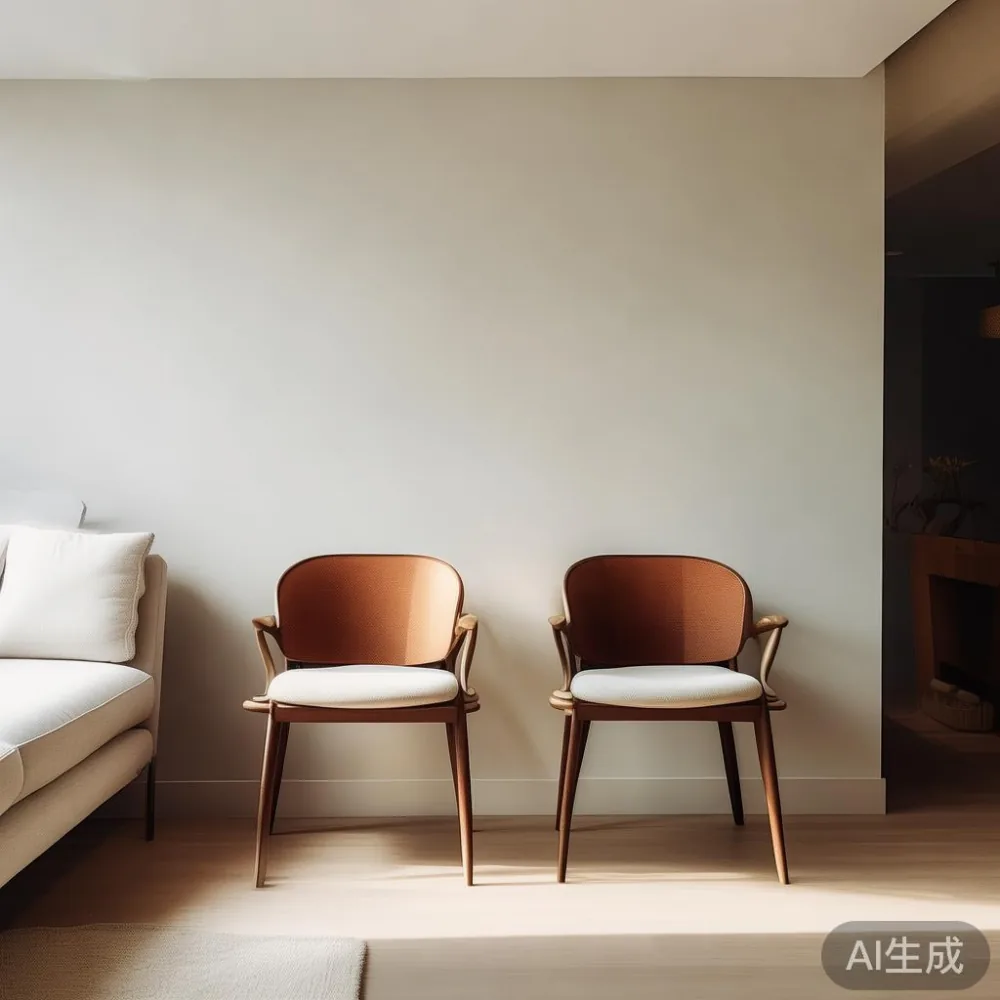
What exactly is a warm minimal interior, and why does it suit HDB flats so well?
Warm minimal is a quiet rebellion against the all-white, gallery-style look that can read as clinical in compact Singapore homes. It keeps the discipline of minimalism — clean lines, visible negative space, restrained colour palettes — but layers in honey-toned timber, boucle or linen textiles, brushed brass hardware, and a single sculptural object per surface. In a 990 sqft BTO in Punggol, where the living-dining zone might be only 3.2m x 4.1m, warm minimal protects the floor area visually while still feeling like a home, not a showroom.
The palette usually runs three to five tones: off-white walls (think Dulux White On White or Nippon Timeless), one warm neutral like sandy beige, one mid-tone wood such as natural white oak or light walnut, one darker accent (smoked oak, black-stained ash), and one metallic note in brass or aged bronze. Most homeowners in my circle underestimate how much warmth a few square centimetres of wood can introduce. A pair of solid wood dining chairs with visible grain will do more for a sterile condo than an entire wall of decor.
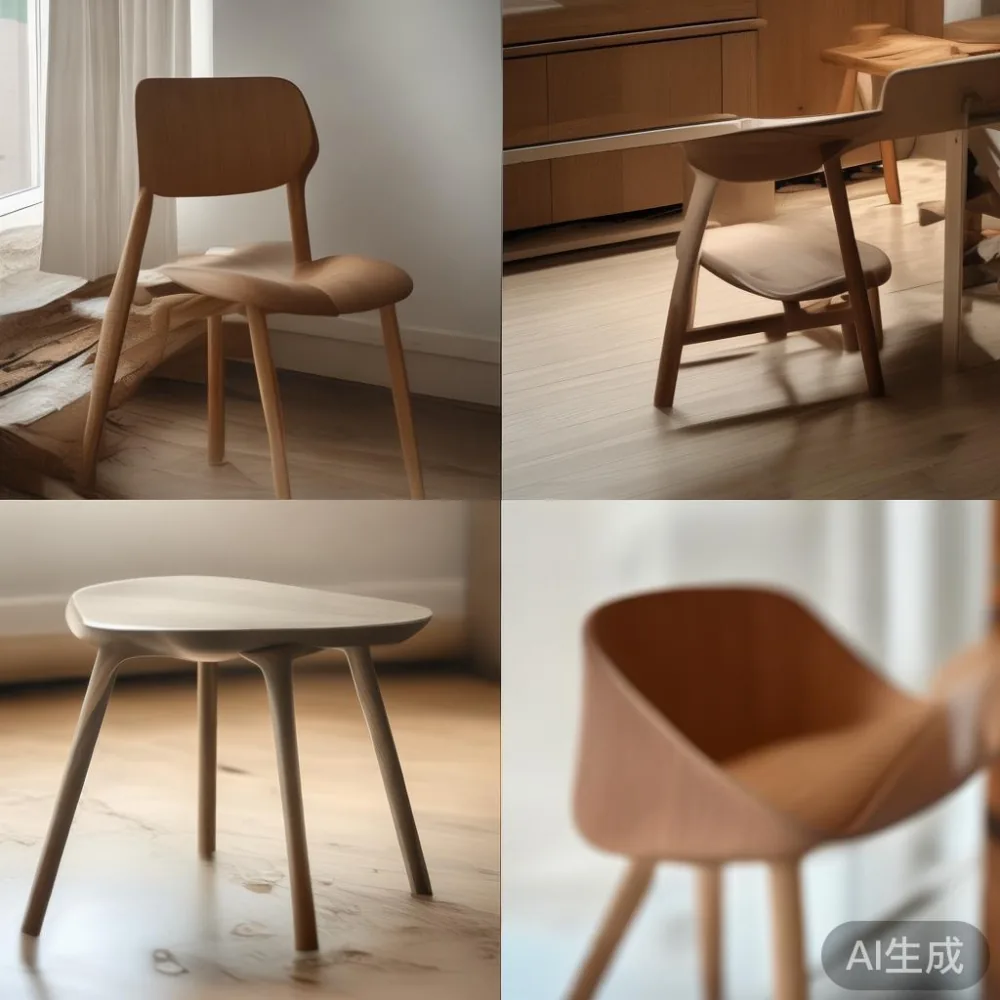
How do I pick dining chairs that anchor a warm minimal dining zone?
Start with three numbers: chair height, table clearance, and corridor width. Standard dining table height in Singapore is 75cm, so chair seat height should sit between 43cm and 46cm, leaving 29cm to 32cm of legroom. For a compact four-seater table of 120cm x 70cm, you need at least 60cm of pull-back space behind each chair — which means the centre of your dining zone needs 120cm from the wall to the chair back.
Then check the lift. Standard HDB passenger lifts in Tampines and Bedok blocks measure roughly 1.1m wide x 1.4m deep, with a diagonal opening of about 1.8m. A solid wood dining chair under 50cm wide and under 55cm deep will ride up easily in its carton. Anything bulkier, or with a fully upholstered back, often has to come unassembled — which is fine, but plan 20 to 30 minutes per chair for setup.

For warm minimal, choose chairs with exposed timber frames in white oak, ash, or natural beech, paired with a single material contrast: a woven paper cord seat for a Japanese-leaning look, a thin leather sling for American light luxury, or a slim boucle cushion for French light luxury. Avoid heavy carvings, turned spindles thicker than 35mm, or any chair that visually screams for attention. The chair should disappear into the room until someone sits down, then quietly reward them with comfort.
Which wood tones and fabrics work best with white walls and marble tables?
Marble tables — even sintered stone or cultured marble — tend to run cool: Carrara white with grey veining, Calacatta gold with warmer rust threads, or a soft beige travertine-look. Pairing cool stone with cool wood (raw ash, bleached oak) flattens the room. Instead, push the wood a step warmer: natural white oak with a clear matte oil rather than a white wash, light walnut around 12 to 15 percent moisture content, or honey-toned beech. The wood does the warming the marble cannot.
For fabrics, boucle in ivory or oat reads as the current warm minimal default, but it traps crumbs and pet hair, so for a family with two young kids in a Punggol condo, I would lean toward a tight-weave linen-cotton blend at 280 to 320 gsm. It drapes softly, cleans with a damp cloth, and ages into a relaxed patina after 18 to 24 months. If you want a leather touch, a vegetable-tanned tan leather sling will darken to a richer caramel within a year — a feature, not a flaw.
How can I mix dining chairs with a solid wood sofa, bed frame, and wardrobe without clashing?
Coordination in a small home is about repetition, not matching sets. Repeat the same wood species in three places — for example, white oak dining chairs, a white oak TV console, and a white oak bed frame — and let the other pieces shift in tone by 10 to 20 percent. A walnut dining table or a smoked-oak wardrobe then becomes a deliberate accent, not a mistake.
If you are working with a MIDHILL light luxury wardrobe in white oak or ash, keep the dining chairs in the same species so the grain pattern feels related when you stand at the kitchen threshold. A MIDHILL TV console in a slightly darker stain will visually ground the wall behind the dining chairs, anchoring the dining zone from across the room. The sofa should then pick up a fabric tone from the chairs — boucle on the sofa, boucle on the seat cushion — so the eye traces a loop between zones. This is the trick to a French light luxury living-dining room that still feels calm in a 75 sqm space.
What is the smartest way to budget SGD 2,000 to SGD 4,500 on dining chairs and a matching set?
Singapore prices for a set of four solid wood dining chairs sit in three rough bands. The first is SGD 480 to SGD 720 for a flat-pack beech or rubberwood set, usually with a 2-year frame warranty. The second is SGD 1,200 to SGD 2,400 for a solid oak or ash set with a fabric seat and a 5 to 10-year structural warranty. The third is SGD 3,200 to SGD 4,800 for a fully assembled European or American light luxury chair in white oak with full-grain leather or boucle, often with white-glove delivery included.
A sensible allocation for a four-person household: 35 to 45 percent on dining chairs, 25 to 30 percent on a dining table, 15 percent on a bed frame, and the rest on a wardrobe, nightstand, and TV console spread over two to three months. If you are furnishing a new Punggol condo key collection, prioritise the chairs and the bed frame first — those are the pieces you use daily and that take the most physical abuse.
Free shipping kicks in around US$350 for most cross-border solid wood brands, which at the current exchange works out to roughly SGD 470. Below that, expect a SGD 60 to SGD 110 freight surcharge, plus GST at 9 percent on the landed value. Keep the cartons until the 14-day return window closes — a chair that wobbles after two weeks almost always reveals a loose mortise, not a bad floor.
How do I care for solid wood dining chairs in Singapore's humidity?
Singapore's relative humidity averages 78 to 85 percent, and indoor humidity in a non-aircon corridor-side unit can climb above 80 percent overnight. Solid wood moves. A white oak chair stored in a 26°C, 75 percent RH room will gain or lose roughly 1 percent in width across the year, which translates to 2 to 3mm on a 45cm-wide seat. That movement is normal. What damages chairs is rapid cycling — aircon blast during the day, humid evening air at the corridor door.
Three habits will add years to a solid wood chair. First, leave 8 to 10cm between the chair back and the wall so air circulates. Second, wipe spills within 20 minutes with a damp, never wet, cloth; standing water raises the grain in under an hour. Third, apply a thin coat of hard wax oil every 12 to 18 months. Brands like Osmo, Rubio Monocoat, or Borma are stocked at hardware shops in Tai Seng and Changi, with 250ml tins at SGD 28 to SGD 42 covering four to six chairs.
Brands that offer lifetime refinishing on solid wood — sanding back scratches, re-oiling the grain, replacing a fabric seat — make this almost invisible. I visited a Tampines home last month where a six-year-old set of oak dining chairs had been refinished twice, and the owner paid only the courier fee, around SGD 45 each way. The grain had not faded, the joints were still tight, and the chairs looked a year old.
Should I buy American light luxury, French light luxury, or post-modern light luxury dining chairs?
The three labels sound interchangeable but read differently in a Singapore flat. American light luxury tends to favour bulkier proportions, a deeper seat (around 48cm vs the European 45cm), and leather or performance fabric in tan, cognac, or pebble grey. It suits larger dining tables from 150cm upward and works well in a Punggol executive condo with a 1.4m-long marble table.
French light luxury leans lighter, with cabriole or tapered turned legs in natural oak, caned or linen seats, and a slightly distressed finish. The footprint is smaller, which suits a 120cm round table in a compact dining zone. Post-modern light luxury is the most playful: geometric backs, asymmetric legs, mixed materials such as a metal frame with a timber seat. It pairs with a sculptural marble table and a curved sofa, but reads busy in a space under 70 sqm.
For most HDB and small condo buyers, French light luxury gives the cleanest result. If you browse for sale American furniture listings and feel tempted by the deeper seat, measure your table clearance first — 5cm makes the difference between comfortable and cramped.
What if I want to mix a Japanese bed frame with warm minimal dining chairs?
Japanese and Japandi bed frames run low — platform height around 25 to 35cm, headboard under 90cm — and lean on light timbers such as ash, birch, or hinoki. They look their best when the dining chairs share the same restrained palette. If you are researching how to style Japanese bed in room layouts, the rule is repetition: ash bed frame, ash dining chairs, ash nightstand, with one darker accent piece such as a black-stained bench or a smoked oak wardrobe.
If you are working out how to choose Japandi wardrobe options for the same space, match the wardrobe height to the bed headboard within 8 to 12cm so the eye travels horizontally rather than bouncing between tall and short blocks. A wardrobe at 180cm next to a 28cm platform bed will look top-heavy in a warm minimal room.
How should I plan the delivery and assembly for a HDB corridor and lift?
Measure your lift door width, lift depth, and any right-angle turns on the way to your unit. Most HDB corridor turns sit at 1.2m to 1.5m, and the front door is typically 90cm to 95cm wide. A flat-pack dining chair carton of 55cm x 55cm x 90cm will clear all of those easily. A pre-assembled chair in a 65cm x 65cm x 95cm carton will clear HDB lifts but may jam at older corridor turns in 1980s blocks in Bedok and Marine Parade.
Standard delivery from a Foshan solid wood maker to a Singapore door takes 18 to 28 days by sea freight, plus 3 to 5 days for last-mile delivery and any lift-booking slot. Expect SGD 60 to SGD 140 for the lift booking surcharge on Sundays and public holidays. Many direct-from-factory brands throw in free assembly for orders above four chairs; if not, a handyman service like Sendhelper or a TaskRabbit task will run SGD 18 to SGD 28 per chair.
What about pairing the dining chairs with a marble table or a solid wood sofa elsewhere in the home?
A round marble table, 120cm to 135cm in diameter, pairs especially well with chairs that have a curved back — the curve echoes the table edge and softens the stone's geometry. A rectangular sintered stone table of 160cm x 80cm reads better with a square-back chair in the same wood tone, because the repetition of straight lines keeps the zone calm.
In the living room, a solid wood sofa frame in ash or white oak will carry the warm minimal language from the dining zone into the soft seating zone. The trick is to let the sofa frame match the chair frame in tone, while the cushion fabric sits one shade lighter than the chair cushion. A linen sofa cover in oat next to boucle dining cushions in ivory, for example, reads as one continuous material story rather than two competing products.
For shoppers cross-referencing how to style American sofa in bedroom layouts, the same rule applies: one timber, one fabric, one metal. A bulky American light luxury sofa in cognac leather next to pale ash dining chairs looks intentional only if a cognac leather sling or cushion strap ties them together.
Which 2026 dining chair trends are worth waiting for, and which should I skip?
For anyone scanning the market for the best European light luxury bed for 2026 as part of a coordinated home refresh, the dining chair trend moving in parallel is a return to slim tapered legs (under 28mm at the foot), a saddle-shaped seat, and a thin padded back in linen or wool felt. The shapes are softer, the silhouettes are slimmer, and the wood is visibly grained rather than painted.
Skip chair designs with thick metal cross-braces, ultra-matte black finishes, or any "industrial" detailing — they clash with warm minimal and with marble, and they date a room within three seasons. Also skip chairs under SGD 220 per piece that claim to be solid oak; at that price, you are buying rubberwood with an oak veneer, which will peel in Singapore humidity within 18 months.
A practical shopping checklist before you click pay: confirm the species (white oak, ash, walnut, beech), the joint type (mortise and tenon or dowel, not just screws), the finish (oil-based, not polyurethane if you want the wood to breathe), the warranty length on the frame, and the return window. A 10-year structural warranty plus a 14-day return policy plus lifetime refinishing is the combination that signals a maker confident in its joinery. The chair should feel solid when you lift it — a solid white oak dining chair in the 4 to 5kg range per piece will outlast a 2.5kg flat-pack competitor by a decade or more.
Where do dining chairs fit in a warm minimal home you actually live in?
A dining chair is the most-touched piece of furniture in most Singapore homes — pulled out at least four times a day, shifted during home-cleaning another two or three times, and leaned on while waiting for the rice cooker. It deserves the same care you give a bed frame or a wardrobe. Pick timber that ages well, fabric that washes, and a silhouette that disappears until needed. Then let the warm minimal room do what it does best: hold everything else quietly, without competing for attention.
If you are starting from an empty Punggol or Tampines unit, build the room around four dining chairs in solid white oak with linen-cushion seats. Add a matching bed frame and nightstand in the same timber, a slim wardrobe with a warm wood front, and one darker accent piece such as a walnut bench or a smoked-oak TV console. The total spend lands around SGD 6,800 to SGD 11,500 depending on fabric grade, the room reads warm and minimal from every angle, and the pieces will still look right in 2031.