Dining Chairs for Warm Minimal Interiors
A warm minimal interior is not an empty room. It is a space with disciplined proportions, gentle textures, and just enough contrast to feel inviting. In Singapore, that approach has to work hard because HDB flats, Tampines condos, Bedok residences, and Punggol units often combine compact dining zones with bright windows, pale walls, and limited storage. The dining chairs do more than provide seats: their backs, legs, curves, and timber tones establish the room’s character before anyone notices the dining table.
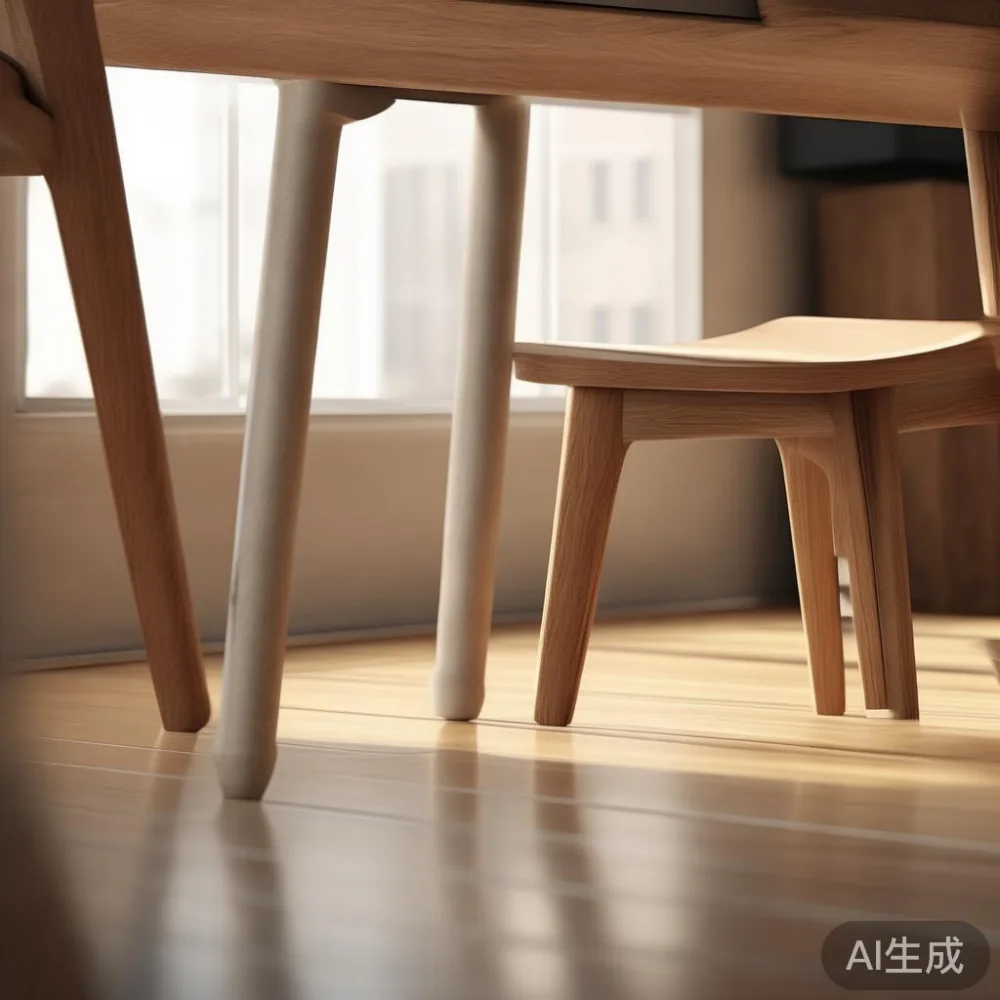
Last month I visited a colleague’s three-bedroom HDB flat in Bedok to examine a dining corner that had felt cold despite having a new dining table. The room measured roughly 3.2 m by 2.8 m, with a 0.95 m-wide service corridor and a standard lift lobby nearby. We replaced 4 lightweight black metal chairs with solid oak dining chairs that had rounded backs and visible grain. The same pale walls remained, but the corner began to feel warmer because the timber introduced a measured organic element rather than another decorative object.
What makes a warm minimal interior different?
Warm minimalism keeps the number of visible items low while allowing texture and natural variation to carry the visual interest. A dining table may display one ceramic bowl and 2 branches rather than 12 small ornaments. Walls can stay white or greige, yet the floor, chair upholstery, and timber surfaces provide warmth. In a Tampines flat with a compact kitchen, repeating pale oak across the dining chairs and a nearby console creates continuity without making the 22 m² living-dining area feel crowded.
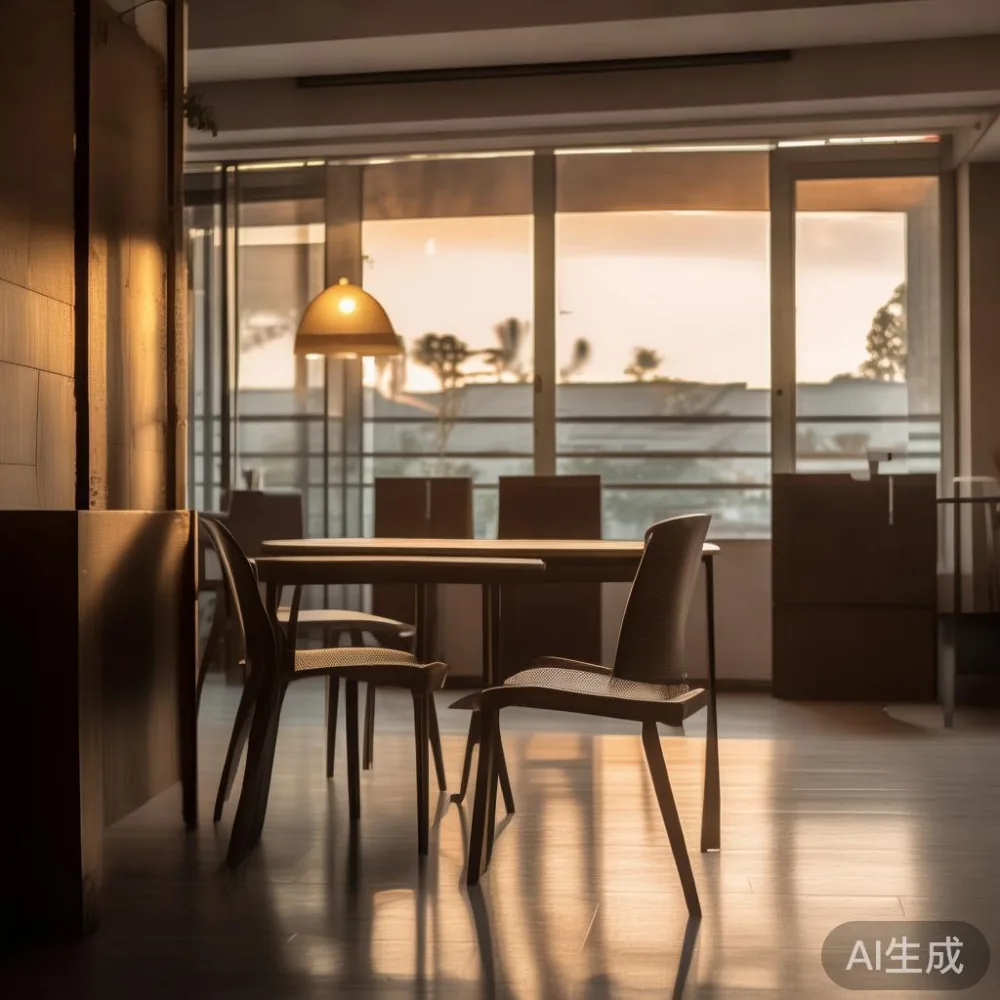
The core principle is contrast in restraint. A room containing only cream objects can feel flat; a room containing pale timber, matte black details, and 3 textured pendant lights can feel composed. Warm minimal interiors usually use 70% neutral surfaces, 20% natural materials, and 10% darker or expressive accents as a practical starting ratio, not a rigid rule.
For furniture sizing, measure before selecting dining chairs. Leave 75–90 cm of clear space behind each chair when it is tucked in. Allow another 30 cm for circulation if people must walk behind seated diners. A round dining table of 110–120 cm diameter usually accommodates 4 chairs, while a 150–160 cm oval or rectangular table can suit 6. Compact Singapore layouts often work better with a 140 cm table and 4 slimmer dining chairs than with a large table and 6 bulky seats.
Which wood tone suits a warm minimal home?
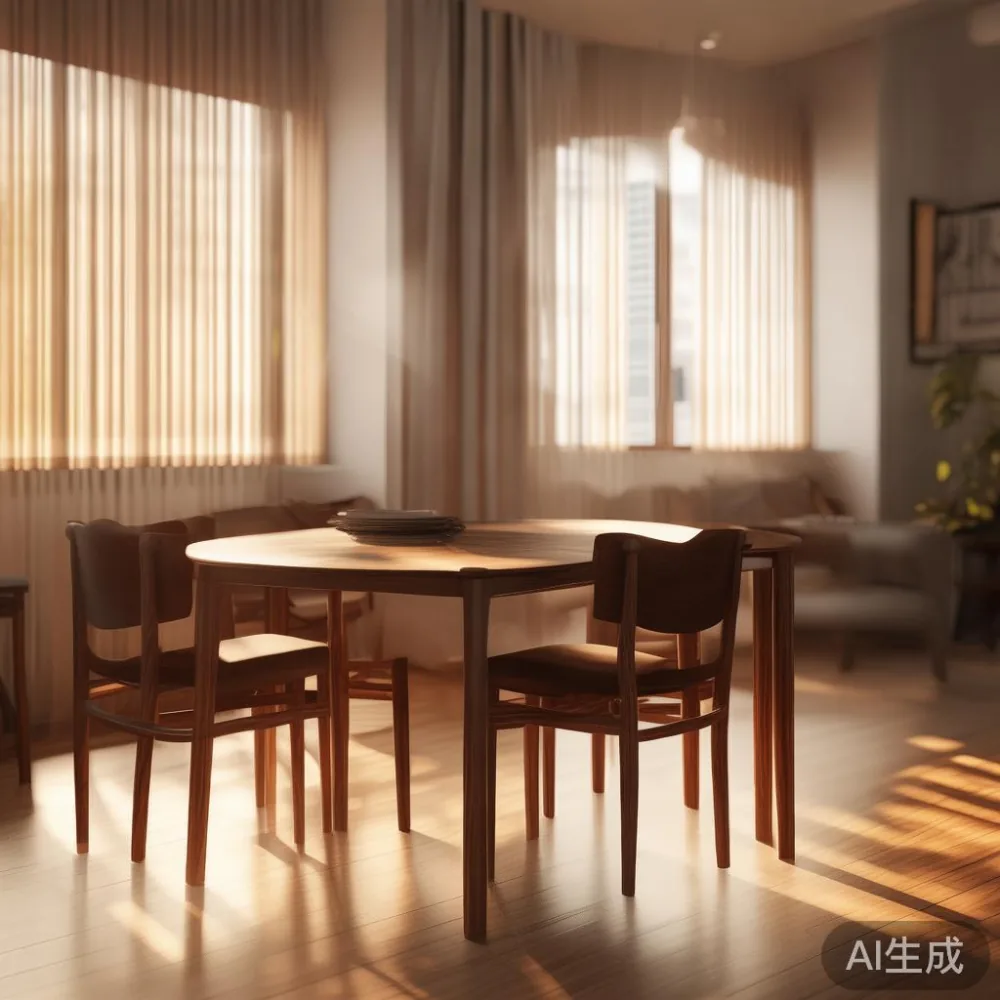
Oak, ash, and teak each produce a different atmosphere. Pale oak gives a light, Scandinavian effect, especially against warm-white walls. Smoked oak introduces more depth and works with beige upholstery. Teak has a warmer golden-brown colour and pairs well with charcoal-grey or off-white pieces. Walnut is darker and more dramatic, so it should usually appear in one controlled zone rather than compete across the entire flat.
Finish matters as much as species. A matte oil finish absorbs reflected light and makes grain visible; a high-gloss coating can look formal and visually heavier. Test samples under the actual evening lighting of the dining space. Singapore evenings are often humid and brightly lit, and a cool-white lamp can shift honey-toned timber towards grey. Warm-white LEDs around 2700–3000K are more flattering to oak and teak.
Consider the dimensions of each chair carefully. A seat width of 42–46 cm is comfortable for most adults, while a seat depth of 40–45 cm supports a relaxed posture. A total chair height of 78–86 cm fits many dining tables with a 72–76 cm top, although the table apron and chair arms must be checked together. Slim backs can preserve visual space in a narrow flat, but seats should not be so thin that long dinners become uncomfortable.
MIDHILL’s dining chairs are particularly useful in this context because solid wood construction, rounded profiles, and restrained silhouettes complement warm minimalism without turning the dining area into a display of heavy furniture. For homes comparing furniture approaches, the question “European sofa vs Italian light luxury sofa” may arise in the living room, yet the dining chairs should answer the same design language through timber grain and balanced proportions rather than ornate detailing.
Do solid wood dining chairs suit HDB flats and condos?
They can, provided scale and circulation are considered. Solid wood dining chairs often weigh 4–7 kg each, compared with approximately 3–5 kg for many metal or moulded seats. That difference affects moving them through lift lobbies and service corridors. Measure the lift door at roughly 90 cm wide on the outside and 80–85 cm internally in common Singapore blocks, but verify the specific building because renovated lifts can vary. A chair with a maximum width of 48–52 cm and a depth below 55 cm is easier to carry than a wide armchair-style seat.
Corridor clearance can be just as important as lift access. If the route has a 110–120 cm width, keep chair legs aligned when carrying rather than turning them at sharp angles. Rounded corners also reduce the chance of marking walls during delivery. MIDHILL offers delivery over US$350, with the selected freight arrangement shown before payment; local landed pricing should still be compared in SGD after GST, rather than relying on an overseas exchange rate alone.
For a Punggol condo with a narrow dining recess, solid wood dining chairs with slim, gently curved backs maintain daylight and avoid the fragmented look created by folding chairs. In a larger Tampines unit, the same chairs can work around a rectangular dining table if every object remains within a simple material palette. Weight itself is not a defect: a well-proportioned chair with a 44 cm seat and a broad 38–40 cm support area will remain stable while still looking visually light.
How many dining chairs should a compact table have?
Choose one chair for every usual place setting, then assess the room rather than adding spare seats simply because they are available. Four dining chairs around a 120 cm round table create comfortable spacing of about 60 cm per person. Six chairs around a 160 cm table leave roughly 53 cm each, which works for everyday meals but becomes crowded during larger gatherings. A 140–150 cm rectangular table with 4 chairs offers easier access in an HDB dining zone and still feels generous for a family of 4.
Chair-back height can determine whether the arrangement looks formal or relaxed. Low backs below 80 cm create an open view across the room; high backs around 88–95 cm introduce privacy and architectural definition. In a flat connected directly to the kitchen, low or medium-back dining chairs preserve visual flow. In a dining room separated by a partition, a slightly higher back can make the space feel settled without requiring curtains or wall panelling.
Upholstered seats introduce softness, while exposed timber keeps the room visually crisp. For warm minimalism, oatmeal, taupe, or warm-grey fabric works with pale oak. Moss green adds a natural accent if the rest of the room is neutral. Deep rust can provide warmth in a monochrome scheme, but 1 chair in rust and 3 in neutral may feel accidental, whereas 4 identical rust chairs can look intentional. The choice depends on the apartment owner’s daily use, cleaning habits, and tolerance for stronger colours.
Can dining chairs make a small dining area feel larger?
Yes, if they reduce visual noise. Chairs with thin profiles, matching timber, and simple joinery let the eye pass through the dining zone. Bulky seats, carved backs, and multiple colours break the space into smaller fragments. In a 2.7 m-wide dining recess, a table around 140 cm wide leaves approximately 65 cm on each side before chairs are pulled out, so slim dining chairs can recover useful floor area.
Mirrors and pendant placement also affect chair perception. A round mirror above a rectangular table creates balance, while a single linear pendant centred over the table visually gathers the chairs beneath it. Keep the pendant’s lower edge around 65–75 cm above the tabletop. This provides enough open space for conversation and prevents diners from looking into a bright bulb. In high-ceiling condos, the pendant may sit higher, but it should still align over the table centre.
Storage can be integrated without adding visual clutter. A dining bench may replace 2 chairs in a narrow flat, though it must leave a minimum 55–60 cm passage for serving. A slim sideboard with a depth of 35–40 cm can hold tableware without competing with the dining chairs. Any nearby solid wood sofa should have a similarly restrained base and warm upholstery, while a bed frame, wardrobe, or nightstand can use lighter tones that echo the chairs without duplicating their form.
Should rounded or straight-backed dining chairs match the rest of the furniture?
Match the geometry, not every detail. If the dining table has rounded corners, softly curved chair backs create continuity. If the table is sharply rectangular, straight or gently squared dining chairs will look composed. The wider living room may contain curved seating while the dining area remains linear, and that is acceptable if colour, scale, and material are consistent.
French provincial influence can appear through softened edges, pale timber, and approachable proportions rather than decorative carving. For someone comparing “best French provincial furniture,” focus on tactile quality and construction rather than applied ornament. The same restraint suits French light luxury, where comfort, fine upholstery, and subtle curves matter more than visual excess.
American light luxury may use deeper woods, oversized forms, and tailored upholstery, but the dining chairs should remain 1 step quieter. Post-modern light luxury can add a playful curve, a mixed material, or 1 unusual shape around an otherwise neutral scheme. The dining table can be solid wood, while a marble table introduces cool veining and strong contrast. A dark stone dining table with pale timber dining chairs looks crisp, but the chair finish should not be too yellow or the combination may become overly ornate.
Visitors asking “is European wardrobe worth it” often want a durability benchmark rather than a style label. A well-made solid timber wardrobe should be judged on drawer movement, joinery, moisture response, and stability over a 10-year horizon. That same purchasing logic applies to dining chairs: examine how the back connects to the seat, whether the legs resist side movement, and whether the finish can be maintained in Singapore’s climate.
What should I check before ordering dining chairs?
Check the complete dimensions, not only the seat width. Ask for the chair’s height, depth, weight, back angle, and clearance beneath the table. Confirm that the seat fits beneath a 72–76 cm table with the intended dining chairs while leaving at least 2–3 cm between the seat and the apron. For upholstered versions, request the fabric composition and cleaning guidance. Full-grain leather can develop a patina, while woven polyester may stain more readily in a busy family dining area.
Assess the floor type as well. Protective felt pads prevent abrasion on engineered wood, while a rug can define the dining zone. A rug should extend 55–65 cm beyond the chair backs on the sides where people pull out seats; otherwise, the front chair legs may remain on the floor and the space can look unfinished. Light rugs are practical in Singapore because they reveal less dust, though material and maintenance still matter.
Look at the warranty and service terms. MIDHILL provides a 10-year structural warranty and lifetime refinishing, which gives useful long-term confidence for exposed timber chairs. The company has operated since 2008 and exports to more than 15 countries. Returns are accepted within 14 days, subject to the stated conditions. Budget for GST: at the prevailing 9% rate, an item priced at SGD 899 becomes SGD 979.91 after tax. This is why comparing pre-tax and post-tax figures can materially change a furniture budget.
Delivery timing should also be checked. Standard international production and freight can take roughly 10–30 working days depending on stock and destination, while local stock may arrive sooner. Obtain the expected dispatch and delivery days before placing the order, especially if a restaurant, new condo, or renovation completion date depends on installation. A 4-chair set should be delivered when the route, lift booking, and floor protection are ready.
How do I create one coherent warm minimal dining room?
Begin with 2 materials and 1 accent. For example, combine pale oak dining chairs with a warm-white dining table, then introduce matte black metal lighting. Repeat the wood elsewhere through a console or bed frame rather than scattering unrelated finishes. Keep a marble table or solid wood sofa to 1 dominant feature in the visible room so the dining chairs do not feel isolated.
Add softness at body level. Chair pads, a runner, linen curtains, and ceramic tableware create warmth without crowding. Limit tabletop accessories to 2–3 pieces: a low bowl and 2 candlesticks, or a simple vase and a small tray. Leave enough visible table surface for 4 place settings, each needing roughly 55 cm of width.
Lighting completes the composition. Use a warm 2700–3000K source above the table and a brighter 3500–4000K task light in the kitchen. Daylight in East Singapore is strong, so sheer curtains can diffuse glare without making the space feel heavy. In a compact HDB flat, the chairs will reflect the room’s light differently at breakfast and dinner; testing timber samples under both conditions prevents an unpleasant surprise.
When evaluating “2026 Mid-century modern furniture,” consider tapered legs, organic curves, and functional forms. Those traits often align naturally with warm minimalism, although the broader room should not become a catalogue of different eras. If a buyer is also researching the “best Mid-century modern bed for 2026,” the bed can carry the era through its shape while the dining chairs provide quieter repetition.
A useful MIDHILL coffee table can connect the living area to the dining room if its material and proportions are restrained, but it should not distract from the chairs. Likewise, a solid wood sofa in oatmeal, a warm-grey wardrobe, and a simple nightstand can all support the same calm background. The final test is simple: sit in each chair for 20 minutes, pull it out 30 cm, and view the table from the doorway. If the room looks balanced, circulation remains comfortable, and the timber feels warm rather than heavy, the dining chairs have done their job.