Caring for Lacquered Dining Chairs in Singapore’s Tropical Climate
Singapore’s warmth, humidity, and generous use of air-conditioning create a demanding environment for lacquered furniture. Near the windows of a Tampines HDB flat, a dining chair may experience 28–32°C during the afternoon, while relative humidity can remain above 70% for several hours. In a Bedok condo without fitted blinds, direct morning sun can raise the surface temperature of a dark lacquer by another 5–8°C. These conditions do not automatically ruin dining chairs, but they can make care routines more important than occasional deep cleaning.
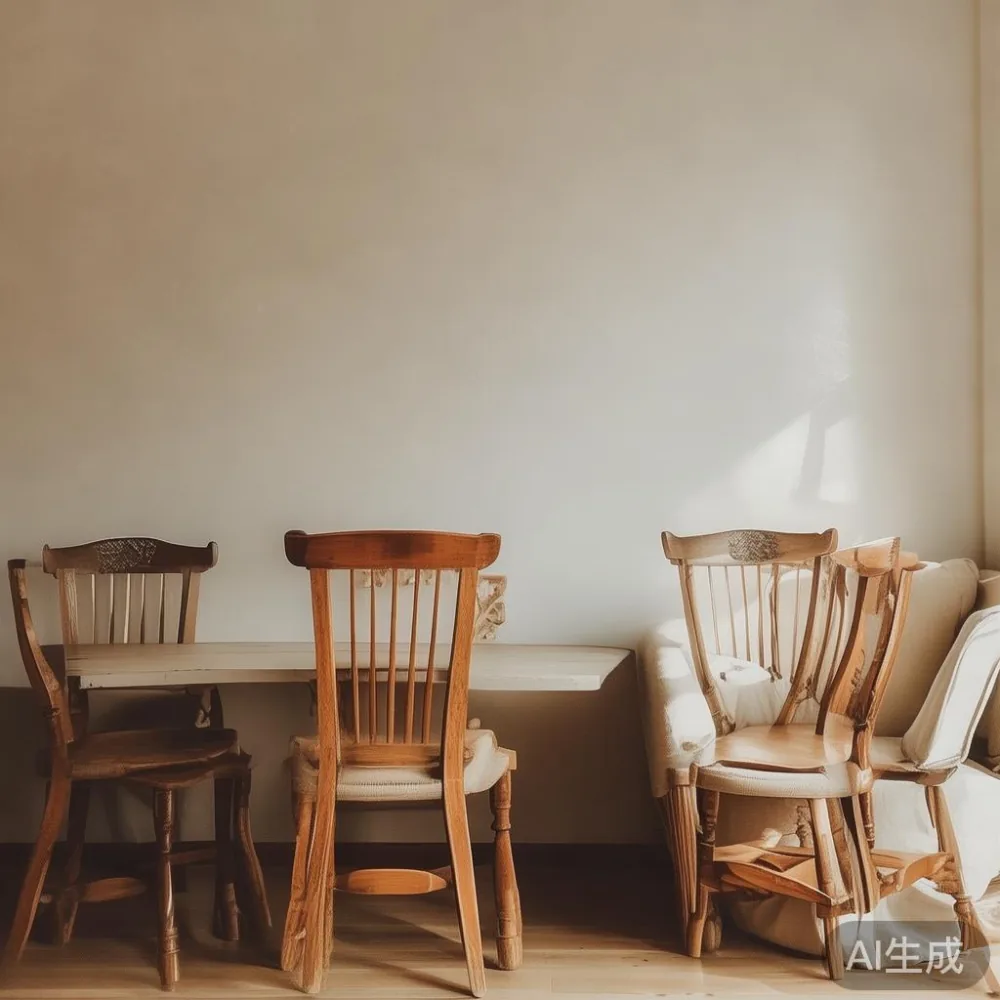
Lacquer can give dining chairs a calm, refined appearance that complements French light luxury, American light luxury, or post-modern light luxury interiors. It also offers a practical alternative to an untreated timber finish: a thin, cured coating can slow the uptake of water and make fingerprints easier to wipe away. The key is to distinguish between a correctly cured lacquer and a less durable surface treatment, then protect it with small habits rather than harsh chemicals.
MIDHILL has made solid wood furniture since 2008 and exports to more than 15 countries. Its lacquered dining chairs are supplied with a 10-year structural warranty, while refinishing support remains available for the lifetime of the product. Local delivery across Singapore usually takes 3–7 working days after production, and orders over US$350 qualify for free shipping under MIDHILL’s stated delivery policy. Every displayed Singapore price below includes GST.
What makes lacquer behave differently in Singapore?
Lacquer is not a single material. Some dining chairs use solvent-based lacquer, some use waterborne lacquer, and some use a polyurethane or conversion finish marketed as lacquer. A film may feel smooth after 24 hours, yet continue curing for several weeks. Ask for the exact coating description, expected curing period, and approved maintenance products before accepting delivery.
Wood beneath the finish still responds to humidity. In a typical HDB dining area, the daily indoor range might be 23–31°C and 55–80% relative humidity. A solid oak seat 45 cm wide and 2–3 cm thick may expand by roughly 1–3 mm across its width over a seasonal cycle. Lacquer helps, but it does not make the chair immune to movement, heat, or standing moisture.
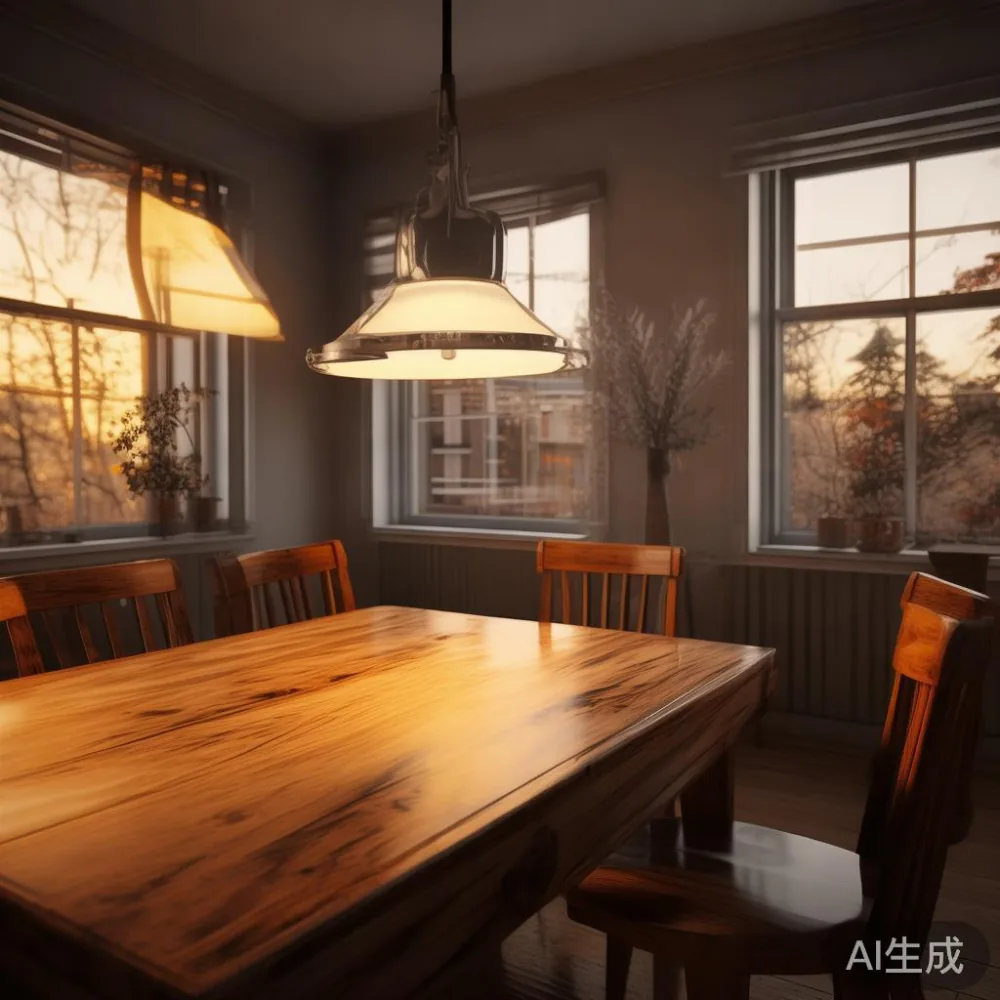
Air-conditioning is useful rather than harmful. It lowers humidity and keeps coatings stable, provided the vents do not blow directly across the seat back or tabletop edge. Position dining chairs at least 30 cm from a concentrated vent outlet. For a Punggol home with large west-facing glass, combine blinds with the air-conditioner timer: 26°C for 4 hours after dinner often protects the finish more consistently than switching the unit off completely.
Curtains and mats also influence conditions. Leave at least 10 cm between a dining chair and a wall so air can circulate. Use a washable, breathable mat beneath the table rather than a rubber-backed mat that traps moisture. Do not place a dining chair permanently against a hot kitchen wall; a surface at 38°C can accelerate softening or colour change in some clear finishes.
How should I clean lacquered dining chairs?
Start with the least aggressive method. Dust with a clean microfibre cloth, then wipe with a cloth barely dampened with lukewarm water. The cloth should not leave visible beads or streaks. A 20 cm square microfibre cloth usually handles one chair back, while a 30 cm cloth covers a seat more efficiently.
For fingerprints and light marks, dilute a few drops of pH-neutral dish detergent in a bowl containing about 500 ml of water. Apply it to the cloth, never directly to the lacquer. Wipe in the direction of the grain, and remove residue with a second damp cloth. Test the mixture on the underside of the seat for 24 hours before using it over the full dining chairs.
Cleaning frequency depends on use and location. In a family flat where the same chair is used for breakfast and dinner, wipe it once every 2–3 days. In a quiet condo dining corner, a weekly wipe is usually enough. If the chair sits near the kitchen, clean the underside and legs every 2 weeks because grease and grit can scratch the lacquer when the seat is moved.
Avoid alcohol, ammonia, bleach, vinegar, acetone, abrasive powder, and “spray and shine” products containing silicone or heavy wax. Even diluted, these substances can strip an aged finish or leave a hazy patch. Wipe spills within 5 minutes, especially oily sauces, red wine, and pigmented drinks. Blot rather than scrub so that the abrasive edge of a crumb does not drag across the surface.
Can humidity cause lacquer to peel or bubble?
Persistent moisture can encourage failure, but peeling usually begins with preparation or exposure rather than humidity alone. Old coatings, trapped solvent, contamination, and a wet substrate can contribute. By contrast, a properly prepared and cured lacquer can tolerate ordinary Singapore humidity. Look for tiny blisters, lifting at the edge, or a dull grey patch beneath the film. These are signs to stop using chemicals and request an inspection.
Check the dining area with an inexpensive hygrometer. Aim for 45–65% relative humidity where practical, and keep the reading below 70% for extended periods. If condensation appears on a nearby window, leave a 10–15 cm gap and use a dehumidifier rated for about 20–30 m². A small unit may remove 8–12 litres of water per day in humid weather, although the exact output depends on the room temperature and airflow.
Do not leave damp cloths folded against a chair. After wiping, stand the chair in a ventilated area for 15–30 minutes. If a lacquered dining chair has a loose joint, a wet seat, or an unexplained finish change, move it out of the dining zone and have the structure checked. MIDHILL’s 10-year structural warranty covers eligible structural defects, not accidental liquid damage or use of unsuitable chemicals.
How should I protect lacquer from heat and sunlight?
Heat is a frequent cause of softened lacquer, sticky marks, and reduced gloss. Singapore meals may involve hot serving dishes, so use a trivet with at least 3 cm of clearance underneath. A pot that is 80°C at the base should not sit directly on a lacquered dining table. The same discipline applies when a chair is pulled close to a table with a warm recessed light: keep the seat at least 20 cm away.
UV exposure can lead to ambering in clear finishes and fading of the underlying colour. Apply a clear automotive window film with a UV rating of 99% to suitable condo windows, or use curtains with an opacity of 50–70%. Interior blinds can reduce direct exposure by roughly 40–70%, depending on the fabric and angle. Rotate dining chairs every 4–6 months so one side does not remain in a stronger sun path.
For a coordinated interior, select a dining table with a stable centre pedestal rather than one with a wide base that presses against chair legs. A dining table height of 73–76 cm usually gives adequate leg clearance for a 43–48 cm seat. This measurement also helps lift the chair safely onto a trolley without scraping the lacquered back.
What if a lacquered dining chair gets scratched or stained?
Minor surface marks need patience, not aggressive repair. Place a clean white cloth over the mark and warm it gently with a hairdryer held at least 30 cm away for 20–30 seconds. A low heat setting can help some marks disappear by softening the film slightly. Test a hidden area first, and never use an iron, heat gun, or open flame.
For a fingernail impression, rub along the mark with a soft cloth and a little peanut oil placed on the cloth, not on the furniture. Limit the treatment to 2 or 3 gentle passes, then inspect the result under daylight. Peanut oil can stain some finishes, so it is unsuitable for areas that have already discoloured.
A deeper scratch may require refinishing. Photograph it with a ruler beside the damaged area, record the chair model and finish code, and contact the manufacturer. MIDHILL offers lifetime refinishing for eligible products, which means a worn dining chair can potentially be restored rather than replaced. Refinishing usually takes 10–20 working days after the chair is received. Transport the chair in a padded cover to avoid adding new marks.
How often should dining chairs be inspected?
Make a 10-minute inspection every 3 months. Check the underside of the seat, the outer edges, the backrest, and the leg-to-rail connections. Look for changes in gloss, lifting, cracks, or odours. Tighten a loose screw only if the fitting allows; do not force a recessed head, as this can damage the wood or hardware.
Use a 25–40 cm felt pad beneath each leg to reduce floor abrasion and moisture transfer. Replace pads when they compress below 2 mm. Lift dining chairs instead of dragging them: the average solid wood dining chair weighs about 6–9 kg, and dragging one across tile can scar both the leg and the finish. For a move between Tampines and Bedok, a professional mover with a padded trolley is useful, but ordinary lift and corridor dimensions should be checked first.
Many HDB corridors are around 1.2–1.5 m wide, while some condo service corridors narrow to 1.0–1.2 m. A dining chair 45–52 cm wide should normally pass around a 90° corner, but angled backrests can increase the effective envelope. Measure the tightest corridor and lift lobby before agreeing to delivery. MIDHILL’s Singapore delivery period is generally 3–7 working days, and 14-day returns are available under the stated policy.
Are lacquered dining chairs suitable for a light-luxury apartment?
Yes, when the finish, setting, and maintenance expectations align. French light luxury often favours pale upholstery, walnut tones, gentle curves, and restrained shine; lacquer supports that effect without looking excessively glossy. American light luxury can pair a dark lacquer with clean lines and warm metallic accents. For post-modern light luxury, geometric dining chairs and a carefully matched dining table can create contrast while preserving a calm material palette.
The surrounding furniture should share a coherent visual language rather than competing finishes. A marble table with strong grey veining works with warm solid wood dining chairs and satin lacquer, while a pale stone surface suits cream or light oak. The same principle applies elsewhere in the home: light luxury for guest room spaces often benefits from pale timber and tactile textiles, while an understanding of how to choose European bed dimensions prevents an oversized frame from crowding the room.
Some buyers compare broad bedroom and living-room references before settling on a dining collection. A query about the best Post-modern sofa for 2026 may begin with style, but dimensions and finish care determine practical fit. Likewise, asking is Mid-century modern sofa worth it leads to questions about proportions, comfort, and maintenance. Those references are not substitutes for checking the dining chairs themselves, particularly in a compact HDB flat.
Look for an integrated material story: a solid wood sofa with matte fabric, a marble table with controlled veining, a wardrobe with durable interior surfaces, and a nightstand with restrained hardware. A European light luxury TV console may share the same visual tone, but its finish should not be placed directly beside a dining chair in a humid passage. For the bedroom, research on how to style Japanese bed in apartment layouts shows the value of clearances; dining areas need comparable breathing room around every chair.
What should I ask before buying lacquered dining chairs?
Ask whether the finish is lacquer, polyurethane, conversion varnish, or a clear film. Request its chemical family, sheen level, cure time, and approved cleaner. Confirm whether the joints are dowelled, screwed, or joined by mortise and tenon, and check the warranty terms in writing. For MIDHILL, the stated 10-year structural warranty and lifetime refinishing provide clear after-sales anchors, while the company’s export history since 2008 gives useful evidence of production experience.
Request a physical finish sample if possible. View it under daylight and warm indoor light, and compare it with your dining table. A sample smaller than 10 cm may not reveal the full colour shift, so ask for a 20–30 cm panel or a photograph under 4000K lighting. Once the chairs arrive, allow any coating off-gassing period recommended by the maker, keep the room ventilated for 48–72 hours, and avoid heavy use during the first 2 weeks.
Budget for a local set of 4 dining chairs from approximately SGD 680 to SGD 1,680, including GST, with exact pricing dependent on timber, finish, and design. Keep at least 60 cm of table edge length per chair. That gives enough space for a 45 cm wide chair to be used without constant contact with the neighbouring seat or table support.
Good lacquer care in Singapore is a routine of controlled humidity, moderate cleaning, and immediate attention to spills. Used consistently, the finish can retain its depth and clarity for many years. Treat the dining chairs as working pieces in a real home rather than display objects, and they can support the light-luxury atmosphere without demanding daily specialist maintenance.