Sizing Up Success: How to Choose the Perfect Dining Chairs for Your HDB Flat
Living in a Singapore Housing and Development Board (HDB) flat presents a unique set of challenges and opportunities when furnishing your home. The compact layouts, standardised room dimensions, and multi-functional spaces require a thoughtful approach to every furniture purchase. Nowhere is this more evident than in the living and dining area, a space that often serves as the heart of the home for family meals, hosting guests, and relaxing after a long day. Among the most critical elements in this space are the dining chairs. Getting their size right is not merely a matter of aesthetics; it is a practical decision that impacts comfort, traffic flow, and the functionality of your living environment. This guide will walk you through the process of selecting the ideal dining chairs, using concrete measurements and local context specific to Singapore's HDB landscape.
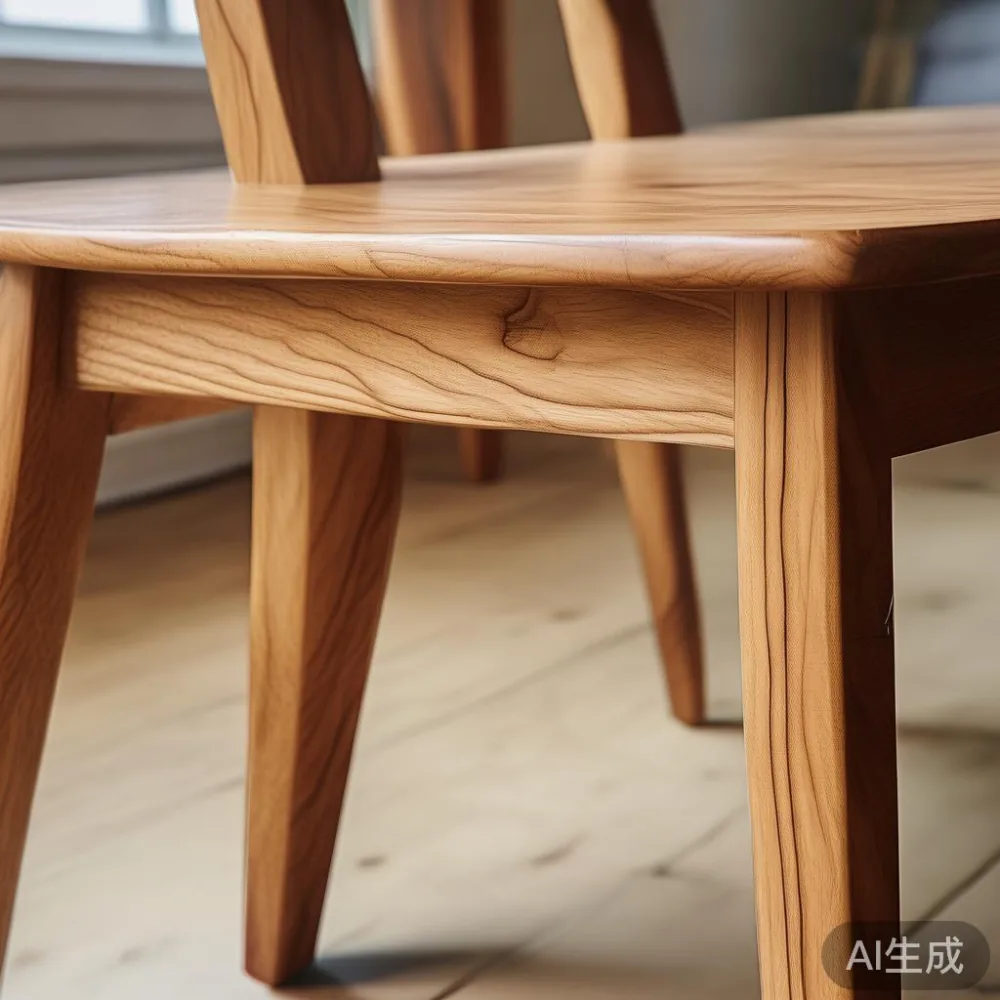
Understanding Your HDB Space: The Singapore Context
Before you even consider the style of your dining chairs, you must understand the canvas you are working with. Most Singapore HDB flats, whether in mature estates like Tampines and Bedok or newer developments in Punggol, adhere to standardised dimensions. The typical living room in a 4-room or 5-room HDB flat measures approximately 4.8 metres by 4.2 metres. This space often flows directly into the dining area, creating an open-plan layout. The challenge is to define the dining zone without making the living area feel cramped.
One critical factor many homeowners overlook is the width of the corridor and lift lobby. The standard corridor width in HDB blocks is about 1.2 metres. When moving furniture into your flat, especially during delivery or if you decide to rearrange, you must ensure your dining chairs can work through this space. A chair with overly wide arms or an unconventional shape might not fit through the door. This is why the profile of a dining chair, from the front and the side, is as important as its seat height.
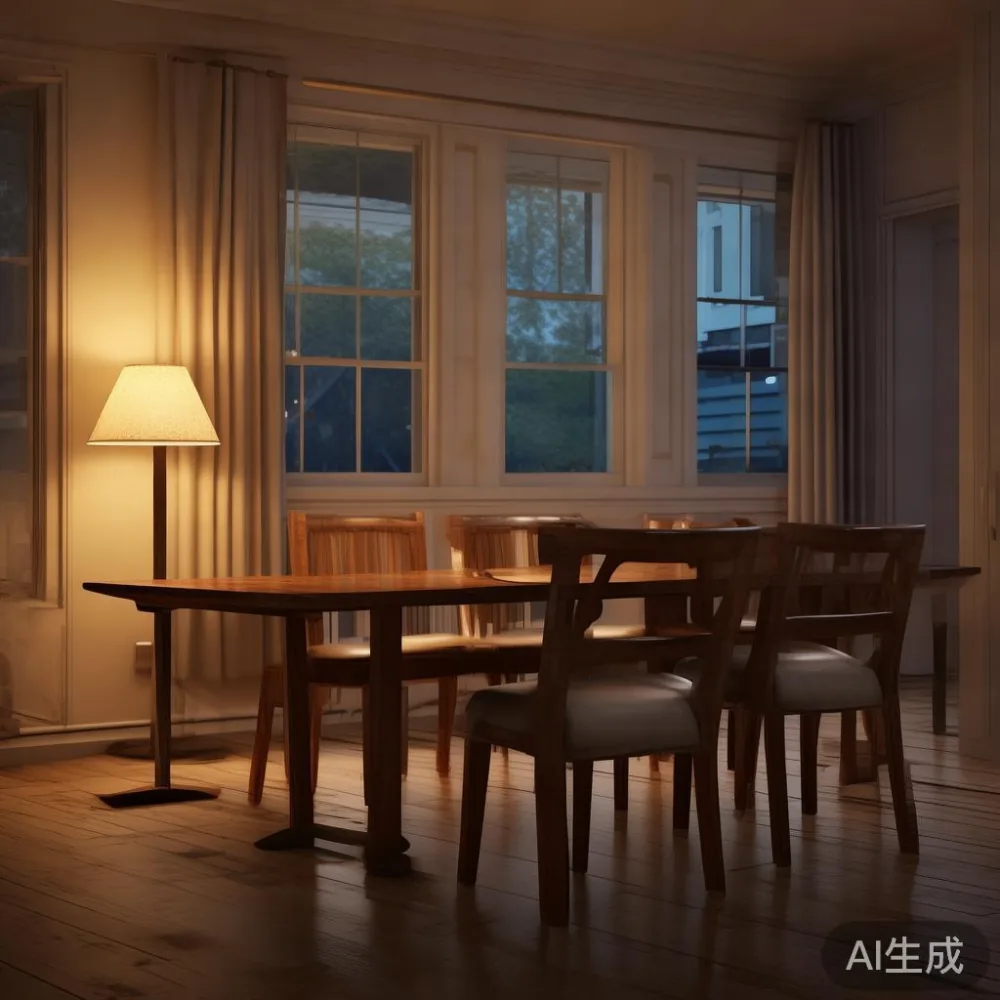
Another consideration is the proximity to the main door. In many HDB flats, the living and dining area is the first thing guests see. The furniture, including the dining chairs, should contribute to a welcoming atmosphere without blocking the entrance or creating a cluttered first impression. The goal is to create a sense of spaciousness and order, even in a limited area.
What is the Ideal Seat Height for Dining Chairs?
The most fundamental measurement of any dining chair is its seat height. This is the vertical distance from the floor to the top of the seat cushion (if upholstered) or the seat surface (if solid wood). The standard, universally accepted ideal seat height for dining chairs is between 45 cm and 48 cm. This range is designed to pair comfortably with a standard dining table, which typically has a surface height of 75 cm to 78 cm. This creates a gap of approximately 28 cm to 33 cm, which is the ideal legroom for most adults to sit comfortably without their knees pressing against the underside of the table.
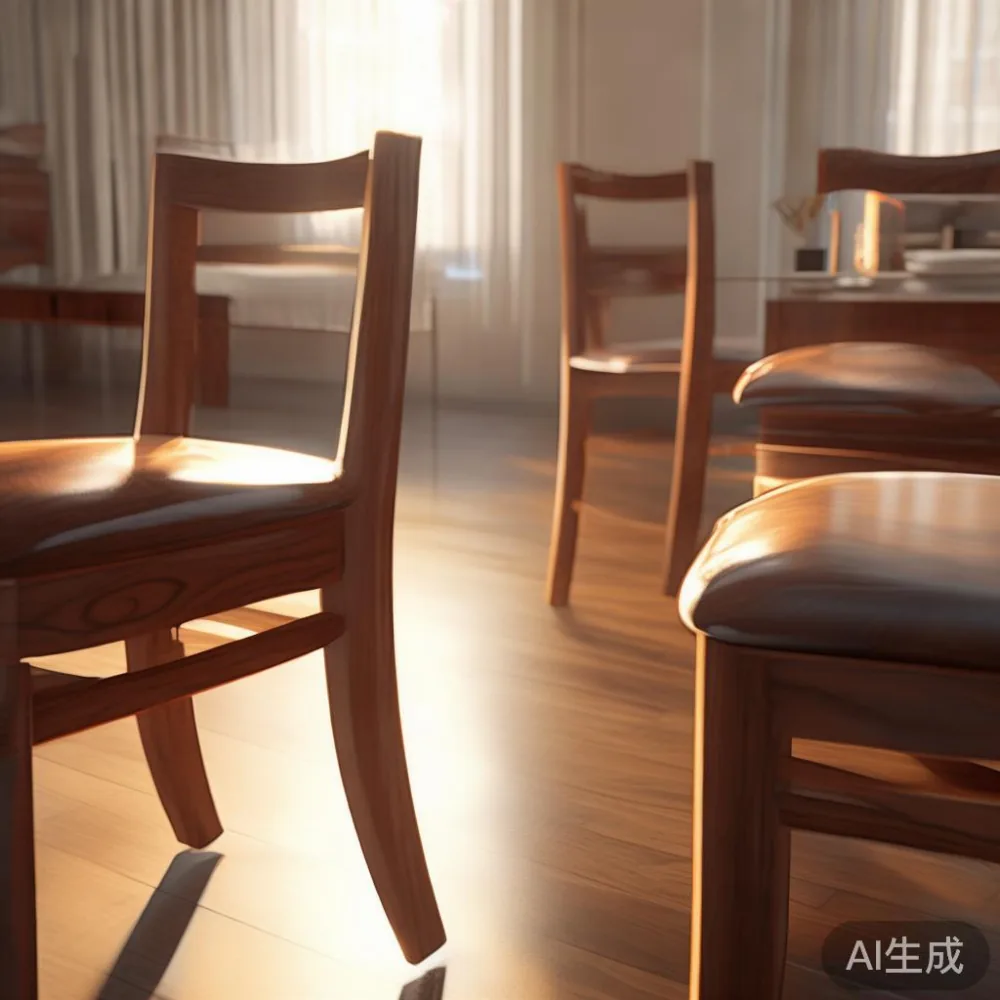
For Singaporean homes, where family members of various ages often share meals, sticking to this standard range is highly recommended. A chair that is too short, for example, 40 cm, will force you to perch awkwardly, straining your back over time. Conversely, a chair that is too tall, such as 55 cm, will make it difficult to rest your arms on the table comfortably. When shopping, always ask the retailer for the exact seat height measurement. A well-designed dining chair from a reputable maker like MIDHILL, which has been producing solid wood furniture since 2008, will almost always fall within this 45-48 cm sweet spot.
It's also worth noting that the seat depth, from the front edge to the backrest, should ideally be between 40 cm and 45 cm. This provides adequate support for your thighs without making you feel like you are sinking too deeply into the chair. For smaller children, a slightly shallower chair might be more appropriate, but for a family home, the standard depth offers the most versatility.
How Wide Should Your Dining Chairs Be for Comfort and Space?
Seat width is the next important dimension to consider. This measurement dictates how comfortable a person will be during a meal and how many chairs you can fit around your table. The standard seat width for a dining chair is between 45 cm and 50 cm. This width comfortably accommodates an adult's hips and allows for comfortable armrests if the chair design includes them.
When planning your layout, you must account for the space each chair occupies. This includes not just the seat width, but also the armrests and the space needed to pull the chair in and out. As a general rule of thumb, you should allow for at least 60 cm of width per chair at the table. This space ensures that people can sit and stand without bumping into each other or the neighbouring chairs. For a 120 cm long dining table, this means you can comfortably fit four chairs (120 cm / 60 cm per chair = 4).
For HDB living rooms where space is at a premium, consider chairs without bulky armrests. Armless dining chairs or those with slim, low-profile arms can save you 5-10 cm in width per chair. This seemingly small difference can make a huge impact, allowing you to fit an extra chair or simply create more breathing room in your dining area. My colleague in Singapore recently moved into a new flat and was struggling to fit six chairs around her table. She switched to armless chairs and instantly gained enough space to seat her entire family comfortably.
Is There a Standard Height for Dining Chair Backrests?
The height of the backrest is a matter of personal preference but has significant implications for comfort and style. Backrests generally fall into three categories: low, mid, and high. A low backrest, typically up to 60 cm, creates a more open, casual, and modern look. It is less obstructive and can make a small dining area feel more spacious. A mid-height backrest, between 60 cm and 80 cm, offers good support for the lower back and is a versatile choice for most homes. A high backrest, 80 cm and above, provides maximum support, almost like a dining chair version of a solid wood sofa, and can make a stronger design statement.
In the context of Singapore's HDB flats, a mid-height backrest is often the most practical choice. It provides adequate support for long meals without dominating the visual space. For a light luxury aesthetic, a chair with a gracefully curved, mid-height backrest in a beautiful solid wood finish can add a touch of French light luxury to your dining room without being overwhelming.
The backrest height also affects the chair's profile when pushed under the table. A high-backed chair can protrude significantly, which might be an issue in a compact dining area. If you opt for a high back, ensure the table has an overhang or that you have enough clearance behind the chairs when they are not in use.
How Much Space is Needed Around the Dining Table?
Perhaps the most common mistake in HDB dining room planning is overcrowding the table with chairs and neglecting the surrounding space. You need adequate clearance for people to move around the table, pull out chairs, and walk from the living room to the kitchen. A minimum of 75 cm of clear space between the edge of the dining table and any wall or large piece of furniture like a wardrobe is recommended. This allows for comfortable passage and ensures that guests are not squeezed in when seated.
This measurement is non-negotiable in a Singaporean context, where living rooms often serve as thoroughfares. Imagine trying to work through from the kitchen to the living room while someone is seated; you need at least 75 cm to pass comfortably without disturbing them. For a 5-room HDB flat where the living room is larger, you might afford to be more generous, but for a 3-room or 4-room flat, this 75 cm rule is a lifesaver.
To visualise this, use painter's tape on your floor to outline the dimensions of your dining table and the recommended clearance zones. This simple exercise can prevent costly mistakes and help you see exactly how much space your chosen dining chairs and table will occupy. It’s a practical step that ensures your final arrangement feels balanced and functional, not just in theory but in everyday life.
What About the Weight and Material of Dining Chairs?
While the primary focus is on size and dimensions, the weight and material of your dining chairs are also practical considerations. Solid wood dining chairs, like those offered by brands established since 2008, are durable and timeless but are significantly heavier than their plastic or metal counterparts. A typical solid wood dining chair can weigh between 8 kg and 12 kg.
This weight is a double-edged sword. On one hand, it means the chair is stable and unlikely to tip over. On the other hand, moving them for cleaning or rearranging can be a strenuous task. If you have elderly family members or frequently change your seating arrangement, you might want to consider a slightly lighter material or a design that is easier to grip. For a modern light luxury furniture look, you might find chairs that combine a solid wood frame with lighter, upholstered seats, offering a good balance of heft and manageability.
The material also affects the perceived size of the chair. A chair with a lot of negative space, like a post-modern light luxury design with slender legs and an open back, will feel lighter and less visually bulky than a solid, heavy chair with a thick frame. This optical effect can be very useful in making a small dining area feel larger and more airy.
How to Test Dining Chairs Before You Buy Them?
Online shopping offers incredible convenience, but for something as personal as a dining chair, seeing and testing it in person is invaluable. If you are browsing for a new wardrobe or a marble table for your dining area, it’s a good idea to sit on the dining chairs you are considering. Pay attention to how the seat feels. Is it too firm or too soft? Does the backrest provide support for your lower back? Are the armrests, if present, at a comfortable height for your elbows?
Last month, I visited a showroom in Singapore to compare several dining chair models. I spent a good 10 minutes sitting in each one, simulating a long meal. One chair, despite looking beautiful, had a seat that was too shallow, making my legs dangle uncomfortably. Another had a backrest that was angled too far back, forcing me to slouch. This hands-on experience was far more telling than any specification sheet. It’s a step I highly recommend to any homeowner before making a final decision.
If you are purchasing online, check the retailer's return policy. Many reputable sellers offer a 14-day return window, which gives you time to test the chairs in your own home. A good warranty is also a sign of quality. For instance, a 10-year structural warranty on the dining chair frame gives you peace of mind that your investment is protected against defects. Free shipping over a certain purchase value, such as SGD 350, is also a common perk that can make buying multiple chairs more affordable.
What is the Long-Term Value of Quality Dining Chairs?
Choosing the right dining chairs is not just about fitting them into your current HDB flat; it's about making a smart investment for the future. Well-made dining chairs, particularly those from established manufacturers, are built to last. They are designed to withstand daily use and can be refinished over time to look like new. This concept of a lifetime refinishing service means that your dining chairs can evolve with your home, changing finishes to match different decor styles over the years.
Consider the financial aspect. A set of four high-quality, solid wood dining chairs might cost between SGD 800 and SGD 1,500. While this is a significant upfront cost, it is a one-time expense. In contrast, cheaper, mass-produced chairs might need to be replaced every 3-5 years, costing more in the long run. When you factor in the convenience of free shipping and a solid warranty, the value proposition of quality furniture becomes very clear.
Also, good dining chairs are versatile. If you ever decide to move to a larger condo or a landed property, your well-proportioned chairs will likely fit right in. They are a foundational piece of furniture that transcends specific flat layouts. This long-term utility and adaptability are key reasons to prioritise quality and correct sizing over short-term savings or fleeting trends. Investing in pieces that offer light luxury for dining room is an investment in your home's enduring style and functionality.
How to Choose Mid-century Modern Wardrobe for Your Bedroom?
While our focus has been on the living and dining area, it's worth briefly touching upon another key piece of furniture: the wardrobe. The principles of measuring and fitting furniture apply equally to the bedroom. When selecting a wardrobe, such as a modern light luxury wardrobe or a more classic American wardrobe, the process starts with measuring the available wall space. A standard wardrobe is typically 60 cm deep to accommodate hangers, and its width can vary from 120 cm for a single door to 240 cm for a double-door wardrobe.
You must also consider the internal layout. A good wardrobe will have a mix of hanging rails, shelves, and drawers to meet your storage needs. For those who enjoy a specific aesthetic, you might ask yourself, how to style American wardrobe in room to complement other furniture pieces. The height of the wardrobe should also be considered; it should ideally reach the ceiling to prevent dust accumulation, or be topped with a decorative cornice if there is a gap.
For those with a taste for retro-inspired design, you might explore how to choose Mid-century modern wardrobe. These pieces often feature clean lines, tapered legs, and rich wood tones like teak or walnut. They can serve as a stunning focal point in a bedroom, offering both storage and style. Ensuring the wardrobe's dimensions are compatible with your room's layout, including the space needed to open the doors or drawers fully, is just as important as it is with dining chairs.
Final Considerations for Your HDB Dining Room
As you bring all these elements together, remember that your dining room is a space for living. The dining chairs you choose should facilitate connection and comfort, not just occupy space. Think about the flow of movement from the kitchen to the table, and ensure there's enough room for people to move freely. The goal is to create an environment where meals are enjoyable conversations, not logistical challenges.
Don't be afraid to mix and match styles slightly. For instance, you could pair traditional solid wood dining chairs with a more contemporary marble table for an eclectic look. Or, you could choose a set of Mid-century modern accent chairs to add a pop of colour and personality around a more formal dining table. The key is to maintain a sense of balance and cohesion, even when blending different design philosophies.
In the end, the perfect dining chairs for your Singapore HDB flat are the ones that fit your space, your body, and your lifestyle. By focusing on concrete measurements—seat height, width, backrest height, and clearance—you can make an informed decision that you will be happy with for years to come. A well-chosen set of dining chairs is more than just furniture; it's the foundation for countless memories shared around the family table.